
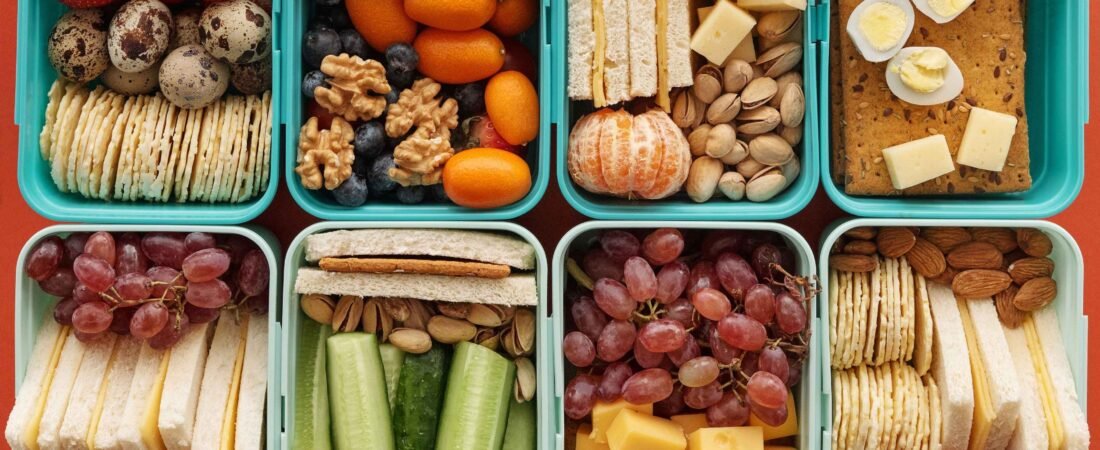
High Protein School Lunch Ideas for Kids: 30 Easy Lunchboxes That Keep Them Full
High protein school lunch ideas can help parents pack better meals on busy school mornings.
However, a good lunchbox should not focus on one nutrient only.
It should also include fruit, vegetables, grains, healthy fats, and enough food.
In this guide, you will find 30 easy lunchboxes with simple protein estimates.
Also, you will get no-heat ideas, picky-eater tips, snacks, and food safety guidance.
Quick Summary for Parents
Children need protein for growth, tissue repair, enzymes, hormones, and normal body functions.
Still, most children do not need extreme amounts at lunch.
Ages 4 through 8 have a daily RDA of 19 grams.
Meanwhile, ages 9 through 13 have a daily RDA of 34 grams.
Teen boys ages 14 through 18 have a daily RDA of 52 grams.
Teen girls in the same age range have a daily RDA of 46 grams.
Therefore, younger children may need smaller lunchbox portions.
Most lunchboxes below provide about 13 to 24 grams from listed protein foods.
In addition, bread, grains, vegetables, and other sides may add more.
Use these ideas as flexible examples, not strict medical plans.
Why School Lunches Matter This Week
School nutrition is receiving strong attention during back-to-school season.
On August 24, 2026, USDA and HHS announced the Harvest to Hallways initiative.
The program supports school kitchens, farm-to-school work, and nutrition research.
Also, the current Dietary Guidelines encourage whole, nutrient-dense foods.
Protein foods are part of that guidance.
However, variety still matters.
How to Use This Guide
Start with your child’s age
First, check the daily protein range for your child’s age group.
Then use the lunchbox ideas as flexible examples, not strict rules.
Choose foods your child already eats
For example, start with egg, yogurt, chicken, tofu, beans, or tuna.
Next, add fruit, vegetables, grains, and a safe drink.
Adjust the portion size
Finally, make the portion smaller for young children and larger for active teenagers.
How Much Protein Do School-Age Kids Need?
First, protein needs change with age, body size, growth, and health.
For this reason, the table below shows established U.S. Recommended Dietary Allowances.
| Age group | Daily RDA | What parents should know |
|---|---|---|
| Ages 4–8 | 19 g/day | A lunch with 15 grams already provides a large share. |
| Ages 9–13 | 34 g/day | Needs should be spread across meals and snacks. |
| Boys ages 14–18 | 52 g/day | Active teenagers may need larger meals overall. |
| Girls ages 14–18 | 46 g/day | Daily needs still depend on the complete diet. |
Source:
National Academies dietary reference tables
The RDA is a daily target.
It is not a lunch-only target.
Therefore, a younger child may need half portions from some lunchboxes below.
Let appetite, age, growth, and medical advice guide final portions.
What newer research says
Childhood protein research is less extensive than adult research.
A 2025 systematic review found limited requirement studies involving children and teenagers.
Therefore, large claims about special high-protein targets should be treated carefully.
A Simple Way to Build a Filling Lunchbox
In most cases, a useful lunchbox starts with one dependable protein source.
Next, add foods with fiber, color, texture, and enough energy.
Chicken, eggs, tuna, yogurt, tofu, beans, lentils, or soy can work.
Add fruit, vegetables, or both.
Use foods your child can open easily.
Add bread, pita, crackers, rice, pasta, corn, or another familiar choice.
Suitable fats can improve flavor and satisfaction.
Check school allergy rules first.
Water is simple.
Plain milk can also add useful nutrients.
Start small.
Pack more for older children with larger appetites.
USDA school meal patterns use a similar multi-component approach.
However, home-packed meals do not need to meet federal program rules.
Protein Per Serving: Foods Used in This Guide
In most cases, Usually, FoodData Central reports nutrient values on a 100-gram basis.
The serving estimates below use simple arithmetic from those USDA values.
| Food | Protein per 100 g | Example portion | Protein in portion | USDA source | Foodmanac record |
|---|---|---|---|---|---|
| Cooked chicken breast | 31.0 g | 45 g | 14.0 g | FDC 171477 | Foodmanac |
| Hard-boiled whole egg | 12.58 g | 50 g | 6.3 g | FDC 173424 | Foodmanac |
| Cooked Atlantic salmon | 22.1 g | 50 g | 11.1 g | FDC 175168 | Foodmanac |
| Light tuna in water | 19.0 g | 50 g | 9.5 g | FDC 334194 | Foodmanac |
| Plain nonfat Greek yogurt | 10.3 g | 100 g | 10.3 g | FDC 330137 | Foodmanac |
| Whole milk | 3.15 g | 244 g | 7.7 g | FDC 171265 | Foodmanac |
| Cooked 90% lean ground beef | 25.2 g | 45 g | 11.3 g | FDC 171793 | Foodmanac |
| Cooked lentils | 9.02 g | 75 g | 6.8 g | FDC 172421 | Foodmanac |
| Cooked chickpeas | 8.86 g | 75 g | 6.6 g | FDC 173757 | Foodmanac |
| Firm tofu | 17.3 g | 70 g | 12.1 g | FDC 172475 | Foodmanac |
| Cooked soybeans | 18.21 g | 60 g | 10.9 g | FDC 174271 | Foodmanac |
| Raw almonds | 21.15 g | 15 g | 3.2 g | FDC 170567 | Foodmanac |
| Raw peanuts | 25.8 g | 15 g | 3.9 g | FDC 172430 | Foodmanac |
Portion values are calculations from the listed 100-gram USDA records.
They are not standardized school serving sizes.
30 High Protein School Lunch Ideas With Protein Counts
To begin, these lunchboxes use ordinary foods and realistic portions.
Also, the estimates count only the listed protein foods.
However, bread, grains, vegetables, and other sides can raise the final total.
Chicken, Egg, and Dairy Lunchboxes
| # | Lunchbox | Pack this | Estimated protein | USDA records |
|---|---|---|---|---|
| 1 | Chicken and yogurt crunch box | 45 g chicken, 100 g Greek yogurt, cucumber, berries, and crackers. | 24.2 g | Chicken · Yogurt |
| 2 | Chicken and chickpea bento | 45 g chicken, 50 g chickpeas, tomatoes, grapes, and pita. | 18.4 g | Chicken · Chickpeas |
| 3 | Chicken sandwich and milk box | 45 g chicken in bread, one cup milk, apple slices, and carrots. | 21.6 g | Chicken · Milk |
| 4 | Egg and yogurt mini lunch | One egg, 100 g yogurt, strawberries, cucumber, and toast fingers. | 16.6 g | Egg · Yogurt |
| 5 | Two-egg lunch with milk | About 100 g cooked egg, one cup milk, grapes, peppers, and crackers. | 20.3 g | Eggs · Milk |
| 6 | Egg and chickpea snack box | One egg, 75 g chickpeas, orange wedges, cucumbers, and pita. | 12.9 g | Egg · Chickpeas |
| 7 | Greek yogurt and almond box | 170 g yogurt, 15 g almonds, berries, apple slices, and crackers. | 20.7 g | Yogurt · Almonds |
| 8 | Greek yogurt and peanut box | 170 g yogurt, 15 g peanuts, fruit, vegetables, and crackers. | 21.4 g | Yogurt · Peanuts |
| 9 | Yogurt and milk lunch | 120 g yogurt, one cup milk, fruit, cucumber, and a grain side. | 20.0 g | Yogurt · Milk |
| 10 | Chicken and egg lunchbox | 35 g chicken, one egg, apple slices, carrots, and crackers. | 17.1 g | Chicken · Egg |
Fish, Beef, and Mixed Lunchboxes
| # | Lunchbox | Pack this | Estimated protein | USDA records |
|---|---|---|---|---|
| 11 | Tuna and yogurt dip box | 60 g tuna, 75 g yogurt dip, celery, fruit, and crackers. | 19.1 g | Tuna · Yogurt |
| 12 | Tuna and chickpea lunch | 50 g tuna, 75 g chickpeas, cucumber, berries, and a small roll. | 16.1 g | Tuna · Chickpeas |
| 13 | Tuna sandwich with milk | 50 g tuna sandwich filling, one cup milk, grapes, and carrots. | 17.2 g | Tuna · Milk |
| 14 | Cold salmon and yogurt box | 50 g cooked salmon, 75 g yogurt, berries, cucumber, and crackers. | 18.8 g | Salmon · Yogurt |
| 15 | Salmon pita with milk | 50 g salmon in pita, one cup milk, sliced pear, and vegetables. | 18.7 g | Salmon · Milk |
| 16 | Salmon and lentil box | 50 g salmon, 75 g lentils, tomatoes, orange slices, and pita. | 17.8 g | Salmon · Lentils |
| 17 | Beef wrap and milk | 45 g cooked beef in a small wrap, milk, fruit, and cucumber. | 19.0 g | Beef · Milk |
| 18 | Beef and chickpea box | 45 g beef, 50 g chickpeas, peppers, grapes, and pita. | 15.8 g | Beef · Chickpeas |
| 19 | Beef and yogurt lunchbox | 45 g beef, 75 g yogurt, sliced fruit, vegetables, and crackers. | 19.1 g | Beef · Yogurt |
| 20 | Tuna and egg mini box | 40 g tuna, one egg, cucumber, berries, and a grain side. | 13.9 g | Tuna · Egg |
Plant-Based and Vegetarian Lunchboxes
| # | Lunchbox | Pack this | Estimated protein | USDA records |
|---|---|---|---|---|
| 21 | Tofu and soybean power box | 70 g tofu, 60 g soybeans, peppers, fruit, and crackers. | 23.0 g | Tofu · Soybeans |
| 22 | Tofu and yogurt bento | 70 g tofu, 75 g yogurt, berries, carrots, and rice crackers. | 19.8 g | Tofu · Yogurt |
| 23 | Tofu and chickpea lunch | 70 g tofu, 75 g chickpeas, cucumber, fruit, and pita. | 18.8 g | Tofu Chickpeas |
| 24 | Tofu wrap and milk | 70 g tofu in a wrap, one cup milk, berries, and peppers. | 19.8 g | Tofu Milk |
| 25 | Lentil and yogurt lunch | 100 g lentils, 100 g yogurt, cucumber, berries, and pita bread. | 19.3 g | Lentils · Yogurt |
| 26 | Chickpea and yogurt bento | 100 g chickpeas, 100 g yogurt, grapes, carrots, and crackers. | 19.2 g | Chickpeas · Yogurt |
| 27 | Soybean and yogurt box | 75 g soybeans, 75 g yogurt, strawberries, vegetables, and crackers. | 21.4 g | Soybeans · Yogurt |
| 28 | Egg and lentil lunchbox | One egg, 75 g lentils, tomatoes, berries, and pita wedges. | 13.1 g | Egg · Lentils |
| 29 | Egg and soybean bento | One egg, 60 g soybeans, cucumber, grapes, and crackers. | 17.2 g | Egg · Soybeans |
| 30 | Salmon and chickpea bento | 40 g salmon, 75 g chickpeas, cucumber, fruit, and pita. | 15.5 g | Salmon · Chickpeas |
These totals are estimates.
Measure the foods actually packed for a closer calculation.
Therefore, younger children may need smaller servings.
Older teenagers may need larger meals.
No-Heat School Lunches for Busy Mornings
Also, a microwave is not required for a protein-rich packed lunch.
In fact, many foods taste good cold.
They also work well in divided lunchboxes.
Use chilled cooked chicken with yogurt, berries, crackers, and cucumber.
Pack hard-boiled egg, chickpeas, fruit, and pita.
Keep tuna and chickpeas separate for children who dislike mixed foods.
Use firm tofu cubes, soybeans, fruit, and crunchy vegetables.
Pack chilled lentils, yogurt dip, cucumbers, and pita.
Pair Greek yogurt with berries and a school-safe crunchy side.
Meat, fish, eggs, yogurt, tofu, and other perishables need safe cold storage.
USDA recommends an insulated lunch bag with at least two cold sources.
Place cold sources above and below perishable foods when possible.
School Lunch Ideas for Picky Eaters
However, a rejected lunch helps nobody.
Familiarity should come before nutrition perfection.
Start with one food your child usually eats.
Then add one small new item.
Use the safe food plus small exposure method
Keep the preferred food in the lunchbox.
Place a tiny new food beside it.
Do not make finishing the new food a condition.
Repeated exposure can build familiarity.
HHS notes that some young children need eight or ten tries before accepting a food.
Read the HHS advice for families
Deconstruct the meal
Some children dislike sandwiches but eat every ingredient separately.
Pack bread, chicken, cucumber, and fruit in separate compartments.
The nutrition stays similar.
The meal can feel safer to the child.
Let the child choose between two foods
Ask whether they prefer an egg or yogurt.
Another day, offer chicken or chickpeas.
A small choice gives the child control.
Parents still control the available options.
Easy Protein Snacks for School
Meanwhile, snacks do not need huge protein amounts.
They should fit the child’s full day.
| Snack | Example amount | Estimated protein | Source |
|---|---|---|---|
| Plain Greek yogurt | 100 g | 10.3 g | USDA |
| Hard-boiled egg | 50 g | 6.3 g | USDA |
| Whole milk | 244 g | 7.7 g | USDA |
| Cooked soybeans | 50 g | 9.1 g | USDA |
| Chilled chickpeas | 60 g | 5.3 g | USDA |
| Firm tofu cubes | 60 g | 10.4 g | USDA |
| Almonds | 15 g | 3.2 g | USDA |
| Peanuts | 15 g | 3.9 g | USDA |
Milk, eggs, fish, peanuts, tree nuts, soy, and wheat are major U.S. allergens.
Some schools restrict specific foods because affected children can have severe reactions.
Always follow your child’s allergy plan and the school’s policy.
Seven-Day Sample Lunchbox Plan
Next, this seven-day example shows how the ideas can rotate.
The weekend entries can also work for trips, sports, or family outings.
| Day | Protein foods | Add these sides | Protein estimate |
|---|---|---|---|
| Monday | 45 g chicken + 100 g Greek yogurt | Berries, cucumber, whole-grain crackers | 24.2 g |
| Tuesday | 50 g tuna + 75 g chickpeas | Grapes, carrots, small roll | 16.1 g |
| Wednesday | 70 g tofu + 60 g soybeans | Orange wedges, peppers, crackers | 23.0 g |
| Thursday | 100 g lentils + 100 g Greek yogurt | Cucumber, berries, pita | 19.3 g |
| Friday | 35 g chicken + one egg | Apple, carrots, crackers | 17.1 g |
| Saturday | 170 g yogurt + 15 g almonds | Berries, apple, grain side | 20.7 g |
| Sunday | 40 g salmon + 75 g chickpeas | Cucumber, fruit, pita | 15.5 g |
Nut-containing Saturday is only suitable where almonds are safe and permitted.
For a nut-free box, replace almonds with a tolerated school-safe food.
Lunchbox Protein Calculator
Now, use this calculator for packed school lunches.
First, choose a food.
Then enter the packed weight in grams.
Food weight in grams × protein per 100 grams ÷ 100 = protein in the portion.
For example, 45 g chicken × 31 ÷ 100 gives about 14 grams.
Calculate Lunchbox Protein
Select up to four foods.
Add the real packed weight for each item.
This calculator estimates protein only.
Actual values can change by brand, portion, and preparation.
How to Keep a Packed School Lunch Safe
Most importantly, protein foods often need refrigeration.
Unsafe temperatures can allow harmful bacteria to grow.
USDA defines 40°F to 140°F as the temperature danger zone.
Cold perishable foods should stay at 40°F or below.
Use two cold sources
USDA recommends at least two cold sources inside an insulated lunch bag.
One can be a frozen gel pack.
Another can be a frozen water bottle.
Cool cooked foods before packing
Cook chicken, beef, eggs, or other foods safely.
Then chill them before packing.
Do not put warm cooked food straight into a cold lunchbox.
Use a food thermos for hot meals
However, hot foods need a different strategy.
USDA recommends keeping hot foods at 140°F or above.
Preheat the insulated container with boiling water before adding hot food.
Nut-Free, Dairy-Free, and Plant-Based Swaps
For nut-free schools
Skip peanuts and almonds.
Use tolerated soybeans, chickpeas, lentils, eggs, yogurt, or another permitted food.
Never assume a substitute is allergy-safe.
Check every ingredient label.
For dairy-free lunches
Tofu, soybeans, chickpeas, lentils, eggs, fish, and meat can replace dairy protein.
Fortified alternatives vary widely.
Compare nutrition labels before treating them as equal substitutes.
For vegetarian lunchboxes
Eggs, Greek yogurt, lentils, chickpeas, tofu, and soybeans offer many combinations.
For vegan lunchboxes
Tofu, soybeans, lentils, and chickpeas can carry the protein portion.
Add produce, grains, and suitable fats to complete the meal.
What Makes a Lunch More Satisfying?
Also, protein is only one part of a satisfying lunch.
Fiber-rich foods can add volume and slower digestion.
Suitable fats can also add energy, texture, and flavor.
A Yale dietitian recently described this combination as protein, fiber, and healthy fats.
Also, that idea fits well with practical lunchbox planning.
Read the August 26, 2026 Yale dietitian article
Do not force a child to finish every item.
Appetite can change from one day to another.
Foodmanac Links for Further Nutrition Checks
Because of this, food preparation can change nutrients measured per 100 grams.
Therefore, match the food record to the form actually packed.
Cooked chicken should use a cooked record.
Drained tuna should use a drained record.
Explore the Foodmanac nutrition database
See Foodmanac data methodology
Frequently Asked Questions
How much protein does a child need each day?
Children ages 4–8 have an RDA of 19 grams daily.
Ages 9–13 need 34 grams daily.
Teen boys need 52 grams.
Teen girls need 46 grams.
How much protein should be in a school lunch?
There is no universal protein gram target for a home-packed lunch.
Consider the child’s daily requirement, appetite, age, and other meals.
What are easy no-heat protein lunches for kids?
Eggs, yogurt, chilled chicken, tuna, tofu, chickpeas, lentils, and soybeans work well cold.
Perishable foods still need proper cold storage.
Can children eat protein-rich school lunches every day?
Protein foods can appear daily inside a varied diet.
However, large protein portions are not necessary for every child.
What is an easy protein snack for school?
Greek yogurt, a hard-boiled egg, milk, soybeans, or tofu can provide useful protein.
Check allergies, refrigeration needs, and school rules first.
How do I keep chicken or yogurt safe until lunch?
Use an insulated lunch bag.
USDA recommends at least two cold sources for perishable foods.
Are nuts good for school lunchboxes?
Nuts contain protein and other nutrients.
However, they are major allergens.
Follow your child’s allergy plan and the school’s rules.
Can a vegetarian school lunch provide enough protein?
Yes.
Eggs, yogurt, lentils, chickpeas, tofu, and soybeans can provide substantial amounts.
Do picky eaters need special protein products?
Usually not.
Start with familiar foods that already fit the child’s accepted diet.
Introduce new foods in small portions without pressure.
The Bottom Line
Finally, a good school lunch is not measured by protein grams alone.
Instead, the goal is a meal the child can safely eat and enjoy.
First, start with a reliable protein food.
Then add produce, grains, and enough energy.
Then, keep portions suitable for the child’s age and appetite.
Also, use USDA-backed values when you need a closer nutrition estimate.
Above all, pack food your child is likely to eat.
References and Data Sources
Official nutrition guidance
-
U.S. Department of Agriculture and U.S. Department of Health and Human Services.
Dietary Guidelines for Americans, 2025–2030.
USDA source
-
National Academies.
Dietary Reference Intakes for children and adolescents.
NCBI Bookshelf
-
USDA.
National School Lunch Program meal pattern.
USDA meal pattern
Food data and protein values
-
USDA FoodData Central.
Food composition database.
FoodData Central
-
Foodmanac.
Food database and USDA-linked nutrition records.
Explore Foodmanac
.
Food safety and allergy sources
-
USDA Food Safety and Inspection Service.
Keeping bag lunches safe.
USDA food safety guidance
-
Centers for Disease Control and Prevention.
Food allergies in schools.
CDC
Research and current context
-
Evaluation of dietary protein and amino acid requirements.
Systematic review published in 2025.
PubMed
-
U.S. Department of Health and Human Services.
Harvest to Hallways announcement, August 24, 2026.
HHS source
-
CT Insider.
Yale dietitian school lunch guidance.
Published August 26, 2026.
Current back-to-school coverage
Medical note:
This article provides general nutrition education.
It does not replace individualized pediatric or medical advice.