
Reviewed nutrition guide · No-cook breakfast · Flexible ingredients · Source-linked safety advice
You know the kind of morning. The alarm feels rude, your schedule is already full, and breakfast becomes whatever you can hold while looking for your keys. Overnight oats were made for mornings like that.
You stir a few ingredients together at night. The refrigerator does the rest. By morning, the oats are cool, creamy and ready to eat. No pan. No rush. Just one small decision your future self will be glad you made.
How to make overnight oats: quick answer
Mix 1/2 cup old-fashioned rolled oats, 1/2 cup milk, 1/4 cup plain Greek yogurt, 1 teaspoon chia seeds and a pinch of salt in a covered jar. Add cinnamon, vanilla or a small amount of sweetener if you like. Refrigerate for at least 4 hours, preferably overnight. Stir before eating and add a splash of milk if the oats feel too thick.
The easy ratio to remember is 1 part rolled oats + 1 part milk + 1/2 part yogurt. Skip the yogurt if needed and use a little more milk for a softer texture.
What are overnight oats?
Overnight oats are rolled oats softened in milk, yogurt or another liquid without cooking. The oats slowly absorb moisture in the refrigerator. After several hours, they become tender and creamy, a little like chilled oatmeal or breakfast pudding.
The name can be misleading. You do not always need to wait all night. Four hours is often enough for rolled oats to soften, although a longer rest usually produces a smoother texture.
Are they the same as hot oatmeal? Not quite. Hot oatmeal is cooked and usually has a softer, warmer texture. Overnight oats are soaked and normally eaten cold. Still, you can warm them if a cold breakfast does not sound comforting.
The real appeal is not a miracle ingredient. It is convenience. You can prepare several jars at once, change the flavor each day and see the portion before you start eating.
The best overnight oats ratio
For creamy overnight oats that still have some bite, start with this ratio by volume:
1 part rolled oats : 1 part milk : 1/2 part yogurt
For one serving, that means 1/2 cup oats, 1/2 cup milk and 1/4 cup yogurt. This is a dependable starting point, not a rigid law. Oat brands absorb liquid differently. Chia seeds, protein powder and fruit also change the result.
| Texture | Rolled oats | Milk | Yogurt | Best for |
|---|---|---|---|---|
| Thick and spoonable | 1/2 cup | 1/3 cup | 1/4 cup | A dense, pudding-like breakfast |
| Creamy and balanced | 1/2 cup | 1/2 cup | 1/4 cup | The best starting ratio for most people |
| Soft and loose | 1/2 cup | 2/3 cup | 2 tablespoons | People who prefer a porridge-like texture |
| Dairy-free without yogurt | 1/2 cup | 1/2 to 2/3 cup | None | A simple two-ingredient base |
Using one tablespoon of chia seeds? Add another 2 to 4 tablespoons of milk. Chia absorbs a surprising amount of liquid. The jar may look perfect at night and almost solid in the morning.
Easy overnight oats recipe
This base recipe makes one filling jar. It tastes mild on purpose, so you can turn it into chocolate, fruit, chai, matcha or almost any flavor you enjoy.
Ingredients for one serving
- 1/2 cup old-fashioned rolled oats, about 40 g
- 1/2 cup milk of choice, about 120 ml
- 1/4 cup plain Greek yogurt, about 60 g
- 1 teaspoon chia seeds
- 1/4 teaspoon vanilla extract, optional
- 1/4 teaspoon ground cinnamon, optional
- Small pinch of salt
- 1 to 2 teaspoons maple syrup or honey, optional
- Fresh fruit, nuts or seeds for topping
Method
- Choose a container. Use a clean jar or food-safe container that holds at least 12 ounces or 350 ml. You need room to stir.
- Mix the wet ingredients. Add milk, yogurt, vanilla and sweetener. Stir until the yogurt is mostly smooth.
- Add the dry ingredients. Stir in the oats, chia seeds, cinnamon and salt. Scrape the bottom so no dry pockets remain.
- Cover and chill. Refrigerate for at least 4 hours or overnight.
- Stir and adjust. In the morning, stir well. Add a splash of milk if the mixture is thicker than you want.
- Finish with toppings. Add fresh fruit and anything crunchy just before eating.
That last step matters. Nuts and granola can lose their crunch while sitting in liquid. Keep them separate until breakfast if texture is important to you.
Three-jar meal-prep version
Multiply every ingredient by three and divide the mixture among three clean jars. Preparing three days at once gives you the convenience of meal prep without pushing storage too far. Try a different topping in each jar so breakfast does not feel like a replay.
Which oats are best for overnight oats?
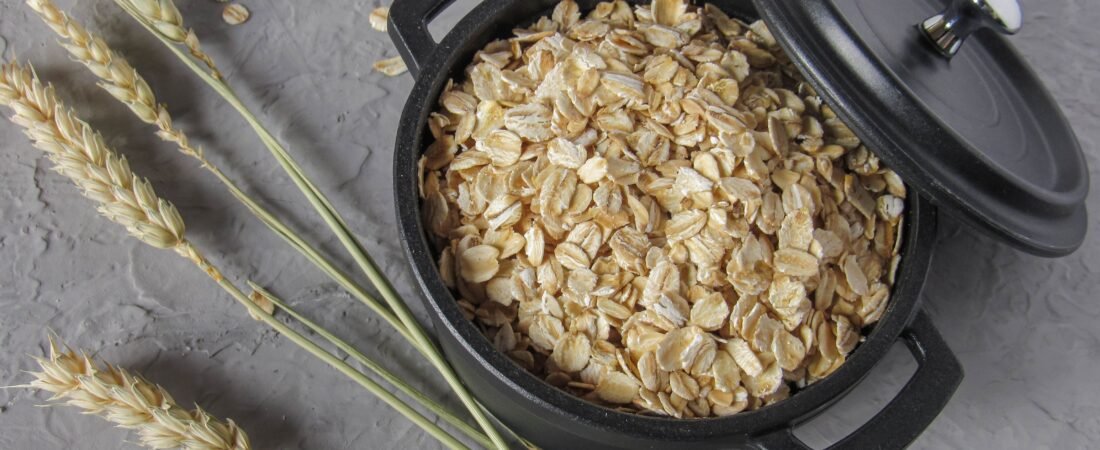
Old-fashioned rolled oats are the best all-purpose choice. They absorb liquid while keeping a pleasant, slightly chewy texture. They are also easy to find in many countries.
| Type of oats | Result | Recommendation |
|---|---|---|
| Old-fashioned rolled oats | Creamy with gentle chew | Best overall choice |
| Quick oats | Very soft and sometimes pasty | Use if you enjoy a smooth texture or have less soaking time |
| Instant flavored oats | Soft, often sweeter and less predictable | Check added sugar and reduce extra sweetener |
| Steel-cut oats | Firm and very chewy with the standard method | Use a recipe developed specifically for steel-cut oats |
| Gluten-free labeled oats | Similar to ordinary rolled oats | Choose these when gluten cross-contact matters |
Oats do not naturally belong to the wheat, rye or barley group. However, cross-contact can occur during growing and processing. In the United States, foods labeled gluten-free must meet the FDA standard of less than 20 parts per million of gluten. If you have celiac disease or need strict gluten avoidance, use oats specifically labeled gluten-free and follow your clinician’s advice.
15 healthy overnight oats flavors
A plain jar is useful. A jar you look forward to is better. Start with the base recipe, then add one of these combinations. Sweetness is always optional, so taste before adding more.
1. Peanut butter banana
Stir in 1 tablespoon peanut butter and 1/2 mashed banana. Add sliced banana in the morning. A pinch of cinnamon makes it taste warmer without adding sugar.
2. Apple cinnamon
Add 1/2 small chopped apple, 1/2 teaspoon cinnamon and a pinch of nutmeg. For softer apple pieces, cook them briefly first and cool them before mixing.
3. Strawberry yogurt
Fold in 1/2 cup chopped strawberries. Add a spoonful of yogurt on top for a creamy finish. Frozen berries also work, although they release more liquid as they thaw.
4. Blueberry lemon
Add 1/2 cup blueberries, 1/2 teaspoon finely grated lemon zest and a small squeeze of lemon. The bright flavor can make a lightly sweetened jar taste more lively.
5. Chocolate peanut butter
Mix in 1 tablespoon unsweetened cocoa powder and 1 tablespoon peanut butter. Add enough milk to loosen the mixture. Cocoa absorbs liquid, so check the jar again before refrigerating.
6. Carrot cake
Add 1/4 cup finely grated carrot, cinnamon, ginger and 1 tablespoon chopped walnuts. A few raisins can add sweetness, but remember that dried fruit is easy to pour generously.
7. Mocha
Mix in 1 teaspoon cocoa powder and replace 2 tablespoons of milk with cooled coffee. Keep this version for adults who tolerate caffeine, and avoid making the coffee flavor an excuse for a heavy pour of syrup.
8. Mango coconut
Add 1/2 cup diced mango and 1 tablespoon unsweetened shredded coconut. Coconut milk can deepen the flavor, but canned coconut milk is much richer than carton-style drinks.
9. Masala chai
Add cinnamon, cardamom, ginger and a tiny pinch of cloves. These fragrant spices make a simple jar feel special. Top with chopped pistachios if you like.
10. Matcha berry
Whisk 1/2 to 1 teaspoon matcha into the milk before adding the oats. Top with strawberries or raspberries. Matcha contains caffeine, so the amount and timing may matter if you are sensitive to it.
11. Black sesame banana
Stir in 1 to 2 teaspoons ground black sesame and 1/2 mashed banana. The flavor is nutty and deep, while the banana keeps the texture soft.
12. Date and tahini
Add one finely chopped soft date and 1 tablespoon tahini. Finish with cinnamon and a few sesame seeds. This combination is rich, so a small amount goes a long way.
13. Tropical pineapple
Add 1/3 cup pineapple and 1/3 cup mango. Use fresh, frozen or fruit canned in juice rather than heavy syrup. Add the fruit after soaking if you want the oats to remain thicker.
14. Cherry almond
Add 1/2 cup pitted cherries and a drop of almond extract. Top with sliced almonds just before eating. Almond extract is powerful; start small.
15. Savory cucumber and yogurt
Skip vanilla and sweetener. Add plain yogurt, grated cucumber, black pepper, chopped herbs and a pinch of salt. It is unexpected, cool and refreshing—especially when another sweet breakfast sounds tiring.
Do you need all 15? Of course not. Choose two that fit ingredients you already buy. A recipe becomes useful when it survives an ordinary Tuesday, not when it creates a cupboard full of special toppings.
Overnight oats calories, protein and fiber
The nutrition in overnight oats depends heavily on the liquid, yogurt, sweetener and toppings. That is why one universal calorie number can be misleading.
A base made with 1/2 cup rolled oats, 1/2 cup milk, 1/4 cup plain Greek yogurt and 1 teaspoon chia seeds commonly lands around 250 to 330 calories, with roughly 13 to 20 g protein and 5 to 8 g fiber. Treat these as practical estimates, not a label for every jar. Sweetened milk, full-fat yogurt, nut butter, dried fruit and large toppings can move the total higher.
| Addition | Main contribution | Practical note |
|---|---|---|
| Greek yogurt | Protein and creaminess | Check the label because protein and added sugar vary |
| Dairy or soy milk | Protein and liquid | Usually contributes more protein than many nut or rice drinks |
| Chia seeds | Fiber, fat and thickness | Add more liquid as the amount increases |
| Nut or seed butter | Flavor, fat and some protein | Measure it if total calories matter to you |
| Fresh berries | Fruit, color and fiber | Usually adds volume with modest calories |
| Maple syrup or honey | Added sweetness | Start with one teaspoon and taste |
| Protein powder | Concentrated protein | Often needs extra milk and may already contain sweetener |
Oats are a whole grain and contain beta-glucan, a soluble fiber. Research reviews have found that sufficient oat beta-glucan intake can reduce LDL cholesterol as part of the overall diet. That does not mean one jar treats a health condition. The FDA’s authorized heart-health claim has specific food-composition and dietary conditions, and the overall eating pattern still matters.
If you want to calculate the ingredients in your own jar, use the Foodmanac Mix Lab. For individual ingredient records, search Foodmanac’s food catalogue. Package labels remain the best source for the exact brands in your kitchen.
How to adjust overnight oats for your goal
For a high-protein breakfast
Use a higher-protein milk, plain Greek yogurt and a measured protein addition. You do not have to add protein powder. Cottage cheese blended with the milk, powdered milk, hemp hearts or extra yogurt can work, depending on your preferences and dietary needs.
A practical high-protein jar could contain 1/2 cup oats, 1/2 cup dairy or soy milk, 1/2 cup Greek yogurt and fruit. Check the product labels before claiming a precise protein number because yogurts and plant milks vary widely.
For more portable options, see Foodmanac’s high-protein snacks guide. You can also compare breakfast foods with the Foodmanac comparison tool.
For weight-loss goals
Overnight oats do not cause weight loss by themselves. They can simply make a planned breakfast easier. Start with a moderate portion, use unsweetened milk or yogurt, add fruit, and measure calorie-dense extras such as nut butter, granola, coconut and syrup.
The uncomfortable truth? A “healthy” jar can quietly become dessert-sized. That is not morally bad, and it may still fit your day. It just helps to know what is in it.
For more fiber
Keep the oats, then add berries, chia, ground flax or chopped fruit. Increase fiber gradually and drink enough fluid, especially if your usual diet is low in fiber.
For lower added sugar
Use plain yogurt and unsweetened milk. Let ripe banana, berries, apple, cinnamon or vanilla do some of the work before reaching for syrup. If you use sweetener, measure a small amount instead of pouring straight from the bottle.
For diabetes or another medical nutrition plan
Oats still contain carbohydrate. Milk, fruit and sweeteners add more. Choose portions and ingredients that match the plan provided by your doctor or registered dietitian, and use package labels when carbohydrate accuracy is important.
How long do overnight oats last in the fridge?
For a conservative approach, keep homemade overnight oats at 40°F or 4°C or below and eat them within 3 to 4 days. Some recipe websites recommend up to five days, but texture and quality decline, and the safe window can be affected by the freshness of your milk, yogurt and fruit.
The USDA advises refrigerating perishable food promptly and using most refrigerated leftovers within three to four days. It also advises discarding perishable food left at room temperature for more than two hours, or more than one hour when the temperature is above 90°F or 32°C.
| Situation | Guidance |
|---|---|
| Covered in refrigerator | Use within 3 to 4 days for a conservative rule |
| With sliced banana | Best sooner because banana softens and browns |
| With crunchy toppings | Store toppings separately until serving |
| Left at room temperature | Discard after 2 hours, or 1 hour above 90°F/32°C |
| Unusual odor, mold or bubbling | Discard; do not taste to test safety |
Write the preparation date on the lid if you make several jars. It takes five seconds and removes the “Was this Monday or last Monday?” debate later.
Can you freeze overnight oats?
You can freeze a simple oat mixture, but yogurt and fresh fruit may change texture after thawing. Use a freezer-safe container with expansion space, thaw in the refrigerator and add fresh toppings after thawing. When in doubt, make a smaller refrigerated batch instead.
Why are my overnight oats watery, dry or gummy?
The first jar is not always perfect. That is normal. Small changes make a big difference.
| Problem | Likely cause | Quick fix |
|---|---|---|
| Too watery | Too much milk or watery fruit | Stir in 1 to 2 tablespoons oats or yogurt and wait 15 minutes |
| Too thick or dry | Too little milk, chia or protein powder absorbed it | Add milk one tablespoon at a time |
| Gummy or pasty | Quick oats, too much chia or very long storage | Use rolled oats and reduce chia next time |
| Still hard | Not enough time or steel-cut oats | Soak longer; use rolled oats for the standard recipe |
| Bland | No salt, spice or acid | Add a pinch of salt, cinnamon, vanilla or lemon zest |
| Too sweet | Sweetened milk, yogurt and syrup combined | Add plain yogurt and use unsweetened products next time |
If you dislike the texture completely, do not force it because the internet called it healthy. Warm the jar, blend it into a smoothie, bake it into oat cups or return to hot oatmeal. A useful breakfast should fit your life and your taste.
Can children eat overnight oats?
Overnight oats can be adapted for children who are developmentally ready for the ingredients and texture. Use an age-appropriate consistency, soften or finely grind nuts and seeds when needed, and consider allergens already introduced under your child’s care plan.
Never add honey for a child younger than 12 months. The CDC warns that honey can cause infant botulism in babies under one year. For infants and young children, ask a pediatric healthcare professional when you are unsure about readiness, allergens or texture.
Overnight oats: frequently asked questions
What is the best ratio for overnight oats?
Start with equal parts rolled oats and milk, plus half as much yogurt. For one serving, use 1/2 cup oats, 1/2 cup milk and 1/4 cup yogurt. Add more milk for thinner oats or less for a thicker result.
How long do overnight oats need to soak?
Rolled oats usually need at least four hours in the refrigerator. An overnight soak creates a softer, more even texture.
How long do overnight oats last in the fridge?
Use refrigerated overnight oats within three to four days as a conservative rule. Keep them covered at 40°F or 4°C or below. Fruit may soften sooner.
Can you eat overnight oats warm?
Yes. Transfer them to a microwave-safe bowl or remove any metal lid, then warm in short intervals. Stir in extra milk if they thicken. You can also heat them gently on the stove.
Can you make overnight oats with water?
Yes, but the flavor and texture will be lighter. Yogurt, mashed banana, nut butter or cinnamon can add creaminess and flavor. Milk or fortified plant milk may contribute nutrients that water does not.
Do you need chia seeds?
No. Chia seeds thicken the oats and add fiber, but the recipe works without them. Use slightly less milk when you leave them out.
Are overnight oats healthy?
They can be part of a nutritious breakfast. Oats are a whole grain, and fruit, yogurt, milk, nuts and seeds can add useful nutrients. The full nutrition depends on portions, sweeteners and toppings.
Are overnight oats good for weight loss?
They are not a weight-loss treatment, but a measured, fiber-containing breakfast may fit a calorie-controlled eating plan. Portion size and toppings still matter.
Are overnight oats gluten-free?
Oats do not naturally contain wheat, rye or barley gluten, but cross-contact can occur. People who need strict gluten avoidance should use oats labeled gluten-free and check every added ingredient.
Can I use frozen fruit?
Yes. Add frozen fruit before refrigerating and it will thaw overnight. It may release juice, so reduce the milk slightly if you prefer thick oats.
Can I prepare five jars on Sunday?
For conservative refrigerated storage, prepare three or four days at a time rather than relying on a full five-day batch. You can mix dry ingredients for later jars in advance.
How Foodmanac estimated the nutrition
The calorie, protein and fiber ranges in this guide are based on typical values for rolled oats, milk, plain Greek yogurt and chia seeds found in USDA FoodData Central and common package labels. They are shown as ranges because brands, milk types, yogurt fat levels and serving measurements differ.
For the closest estimate, weigh your ingredients and use the values on the exact packages you buy. Food databases are valuable references, but they cannot see the spoonful in your kitchen.
References
- USDA FoodData Central. Food and nutrient reference database.
- USDA Food Safety and Inspection Service: Leftovers and Food Safety.
- USDA Food Safety and Inspection Service: Danger Zone, 40°F to 140°F.
- U.S. Food and Drug Administration: Questions and Answers on Gluten-Free Food Labeling.
- Dietary Guidelines for Americans, 2020–2025.
- U.S. Food and Drug Administration: Food Labeling Guide. See the whole-oat soluble-fiber health-claim requirements.
- Ho HVT, et al. The effect of oat beta-glucan on LDL-cholesterol, non-HDL-cholesterol and apoB: a systematic review and meta-analysis of randomized controlled trials. British Journal of Nutrition. 2016.
- U.S. Centers for Disease Control and Prevention: Foods and Drinks to Avoid or Limit.
Important: This article provides general food and nutrition information. It does not replace individualized medical advice. Product ingredients and nutrition values change, so check current labels when allergies, gluten exposure, carbohydrate counting or another medical need makes precision important.
The simple takeaway
Start with 1/2 cup rolled oats, 1/2 cup milk and 1/4 cup yogurt. Chill it. Taste it. Adjust it.
That is the whole secret. Not a perfect jar photographed under perfect light. Just a breakfast waiting when the morning gets loud.
Make one tonight. Which flavor would make you happy to open the refrigerator tomorrow?