
Reviewed September 16, 2026 · Nutrition guide · Values are rounded
Black Sesame Nutrition: Calories, Protein, Calcium, Iron and Benefits
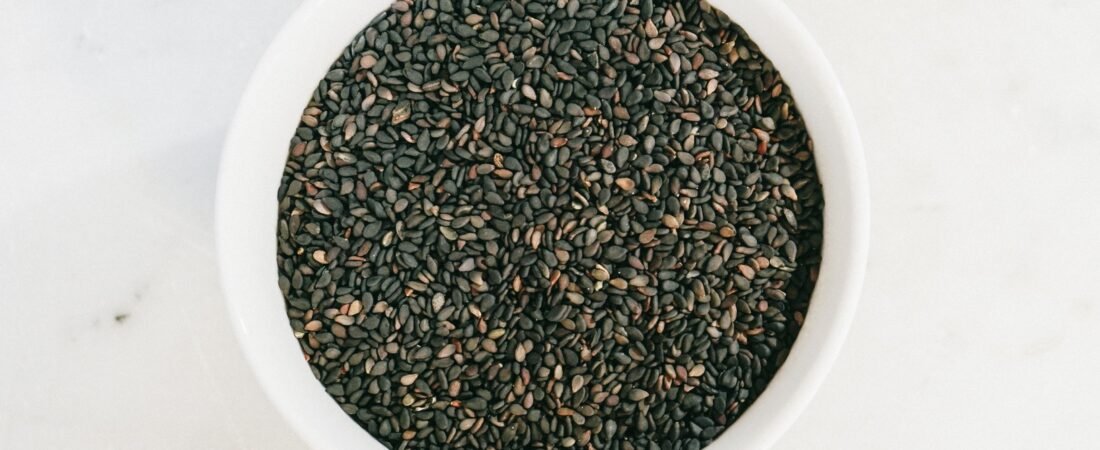
Black sesame seeds look small. Their flavor is not small.
They add a roasted note to rice, noodles, yogurt and salads.
A spoonful also adds minerals and unsaturated fat.
Quick answer
One tablespoon of black sesame weighs about nine grams.
It provides roughly 52 calories, 1.6 grams of protein and 1.1 grams of fiber.
It also supplies about 88 milligrams of calcium and 1.3 milligrams of iron.
Whole seeds are calorie-dense, so portions matter.
Black sesame is still sesame. It is a major food allergen.
Black sesame nutrition facts
| Nutrient | Per 100 g | Per 1 tbsp, 9 g |
|---|---|---|
| Calories | 573 kcal | 52 kcal |
| Protein | 17.7 g | 1.6 g |
| Total fat | 49.7 g | 4.5 g |
| Carbohydrate | 23.4 g | 2.1 g |
| Dietary fiber | 11.8 g | 1.1 g |
| Calcium | 975 mg | 88 mg |
| Iron | 14.6 mg | 1.3 mg |
| Magnesium | 351 mg | 32 mg |
Black and white sesame values can differ by cultivar, processing and brand.
Calories and serving size
A tablespoon feels modest, yet it adds about 52 calories.
Two tablespoons add around 104 calories.
Tahini contains the same seed, but recipes change its final numbers.
Oil, sugar and syrups can raise calories quickly.
Use a measuring spoon when calories matter.
Protein and fiber
Black sesame gives plant protein, but it is not a complete meal.
Pair it with beans, soy foods, dairy or whole grains.
Fiber supports regular bowel movements and fuller meals.
Increase seed portions slowly if your current diet lacks fiber.
Drink water as you add more high-fiber foods.
Calcium and iron
Sesame seeds contain impressive calcium on paper.
Phytates can reduce mineral absorption from seeds.
Soaking, sprouting or grinding may change mineral availability.
Vitamin C foods can help your body absorb plant iron.
Try sesame with peppers, citrus, tomatoes or broccoli.
Do not use sesame alone to treat low iron.
Possible benefits
Most sesame fat is unsaturated. Portions still matter.
Seeds add calcium, magnesium, iron and phosphorus.
A teaspoon can make plain meals feel more satisfying.
These are nutrition roles, not guarantees of disease prevention.
Black sesame versus white sesame
Both colors provide fat, protein, fiber and minerals.
Black sesame often tastes stronger and more bitter.
White sesame tastes milder and looks lighter after grinding.
Color does not make one seed a medical cure.
Choose the seed you enjoy and can portion consistently.
Easy ways to eat black sesame
- Sprinkle one teaspoon over rice or vegetables.
- Stir ground seeds into yogurt or oatmeal.
- Blend seeds into tahini with lemon and water.
- Add them to tofu, noodles or homemade granola.
- Mix a small amount into a smoothie.
Grinding releases flavor and makes chewing easier.
Store seeds in a cool place. Refrigeration protects their oils.
Safety and allergy advice
Sesame is a major allergen in the United States.
Read labels on tahini, spice blends, breads and snack bars.
Stop eating the product after hives, swelling or breathing trouble.
Seek urgent help for serious allergic symptoms.
People with kidney disease should ask about high mineral portions.
What makes black sesame different?
Black sesame seeds come from the same broad sesame plant family as pale sesame seeds. Their dark outer coat contains natural plant pigments and gives them a dramatic appearance in breads, desserts and savory dishes. The color is useful for cooking, but it does not automatically mean that black sesame is more nutritious in every category. Variety, soil, climate, storage, roasting and whether the hull is removed all influence the final nutrition panel.
The flavor is usually fuller than the flavor of hulled white sesame. Many people describe it as nutty, earthy and slightly bitter, with a pleasant roasted finish. That intensity means a small amount can change a dish. If you are new to the seed, begin with a teaspoon and increase only if you enjoy the taste and tolerate it well.
Most black sesame sold for cooking is a whole seed. Whole seeds retain the outer layer, while hulled sesame has had that layer removed. The outer layer contributes fiber and minerals, but it can also contain more phytate and make the seed a little harder to digest. Tahini made from unhulled seeds may taste more assertive and look darker than tahini made from hulled seeds.
How to read a black sesame nutrition label
Nutrition databases commonly list sesame per 100 grams. That amount is useful for comparison, but it is much larger than a normal sprinkle. A practical serving is one to two tablespoons, or about nine to eighteen grams. Weighing the seed gives the most consistent result because a rounded spoonful can hold more than a level spoonful.
Calories mainly come from fat. This is expected for seeds and nuts: fat is energy-dense, and one gram provides nine calories. The fat in sesame is mostly unsaturated, including monounsaturated and polyunsaturated fats. Unsaturated does not mean calorie-free, so add sesame to a meal with awareness of oils, cheese, sauces and other energy-dense ingredients already present.
Protein and fiber are listed separately. Protein contributes to muscle repair and normal body tissues, while fiber supports bowel regularity and can slow the digestion of a meal. The carbohydrate number includes fiber; if you count available carbohydrate, subtracting fiber is a common approach, although labeling rules vary by country and personal medical plans should take priority.
Mineral numbers can look surprisingly high because 100 grams is a large portion. A tablespoon gives useful amounts without requiring a very large serving. Look at the whole diet rather than treating one seed as the only source of calcium, iron or magnesium.
Black sesame calories by portion
| Portion | Approximate weight | Calories |
|---|---|---|
| 1 teaspoon | 3 g | 17 kcal |
| 1 level tablespoon | 9 g | 52 kcal |
| 2 tablespoons | 18 g | 103 kcal |
| 1/4 cup | 36 g | 206 kcal |
These figures are estimates for dry whole seeds. A sweet black sesame paste, brittle, cookie or latte can contain added sugar, milk, coconut, oil or flour. Check the recipe or package when you need an accurate total. If you are trying to gain weight, that energy density can be helpful. If you are trying to reduce calories, use sesame as a flavor accent instead of eating it by the handful.
Protein quality and plant-based meals
Black sesame contributes about 1.6 grams of protein per tablespoon. That is meaningful as part of a mixed meal, but it is not enough to serve as the main protein source. Sesame is relatively low in the amino acid lysine compared with beans and soy. This does not make it a poor food; it simply explains why variety matters in a vegetarian or vegan pattern.
Combine sesame with foods that bring complementary nutrients. A grain bowl with lentils, brown rice, vegetables and sesame dressing supplies more total protein and a broader amino acid profile than sesame alone. Tofu with sesame, chickpeas with tahini, or yogurt with ground sesame are practical combinations. You do not need to combine proteins at the same bite; eating a varied diet over the day is enough for most healthy adults.
After exercise, a tablespoon of seeds can add flavor and minerals to a meal, but it should not replace a balanced recovery meal. Include a clear protein source, carbohydrate for replenishment and fluids. People with kidney disease or a prescribed protein limit should follow their clinician’s advice rather than increasing seeds because they are plant-based.
Fiber, digestion and fullness
Two tablespoons provide a little over two grams of fiber. Fiber helps add bulk to stool and can support regular bowel movements when overall fluid intake is adequate. It also adds texture, which may make a simple meal more satisfying. These effects are gradual. A sudden large increase can lead to gas, bloating or abdominal discomfort.
To increase sesame comfortably, start with one teaspoon for several days. Move to one tablespoon if you feel well, and drink water throughout the day. Ground sesame may be easier to chew, while whole seeds can pass through the digestive tract partly intact. Either form can fit a healthy diet; choose based on texture, recipe and tolerance.
Persistent constipation, diarrhea, pain, vomiting or unexplained weight change deserves medical attention. Do not assume that adding seeds will correct a digestive disorder. Sesame is a food, not a laxative or a treatment for irritable bowel syndrome.
Calcium in black sesame: what the number means
The calcium value for whole sesame is high compared with many plant foods. Calcium is needed for bones, teeth, muscle contraction, nerve signaling and several cellular processes. A tablespoon contributes a useful amount, but calcium needs are measured across the day. Milk, yogurt, fortified plant drinks, tofu made with calcium salts, canned fish with edible bones and some leafy greens can also contribute.
Not all calcium shown in a food database is absorbed equally. Sesame contains phytate and oxalate compounds that may bind minerals in the digestive tract. Preparation can alter these compounds, but no kitchen method guarantees complete absorption. Grinding improves access to the seed; soaking and fermentation may change mineral availability. Use these methods for taste and texture rather than expecting a precise medical effect.
If you have osteoporosis, a fracture history or a diagnosed calcium deficiency, ask a healthcare professional how much calcium and vitamin D you need. A clinician may recommend fortified foods or a supplement depending on your diet and laboratory results. Black sesame can be one supporting food, but it should not replace an individualized plan.
Iron in black sesame and absorption tips
One tablespoon contains about 1.3 milligrams of iron according to the rounded values in this guide. Iron helps make hemoglobin, the protein that carries oxygen in red blood cells. Requirements differ by age, sex, pregnancy, blood loss and medical conditions. Someone with heavy menstrual bleeding may need a very different plan from someone without blood loss.
Sesame iron is non-heme iron, the form found in plants. Its absorption is affected by the rest of the meal. Vitamin C can improve absorption, so try black sesame with lemon juice, bell peppers, tomatoes, strawberries, oranges or broccoli. Tea and coffee taken directly with an iron-rich meal may reduce absorption for some people because of their polyphenols. Separating them from meals can be useful when a clinician has identified iron deficiency.
Fatigue, pale skin, shortness of breath, dizziness or brittle nails can have many causes. Do not diagnose anemia from symptoms alone, and do not take high-dose iron without testing or medical advice. Too much supplemental iron can be harmful. A blood count and iron studies can identify whether a supplement is appropriate.
Healthy fats, cholesterol and heart health
Sesame oil and whole seeds contain a large proportion of unsaturated fat. Replacing some saturated fat with unsaturated fat can support a heart-healthy eating pattern. The benefit comes from the replacement: adding sesame on top of a diet already high in calories and saturated fat does not create a guaranteed heart benefit.
Whole seeds also contain fiber and plant compounds that are absent from refined oil. Sesame lignans, including sesamin and sesamolin, have been studied for antioxidant and lipid-related effects. Early research is interesting, but a food study or laboratory finding does not prove that black sesame prevents heart disease. Blood pressure, LDL cholesterol, smoking, activity, sleep and overall diet matter far more than one garnish.
Use black sesame dressing in place of some creamy or heavily saturated sauces. A simple dressing can combine ground sesame, lemon, water, garlic and a small amount of oil. Keep an eye on sodium in bottled sauces, especially if you have high blood pressure or are following a reduced-salt plan.
Plant compounds and antioxidants
The dark seed coat contains pigments and other plant compounds. Sesame also provides lignans and vitamin E-related compounds. These substances help protect the plant from oxidative damage and may contribute to the seed’s stability. In human nutrition, antioxidant activity in a test tube does not translate directly into a guaranteed disease outcome.
Roasting changes aroma and can make sesame more appealing. Light to moderate roasting is usually enough. Very high heat can darken the seed, create a burnt flavor and damage some sensitive compounds. Stir seeds in a dry pan over medium-low heat and remove them as soon as they smell nutty. They continue cooking from residual heat.
A varied diet rich in vegetables, fruit, beans, whole grains, nuts and seeds provides a broader range of plant compounds than relying on a single “superfood.” Black sesame fits that pattern because it is easy to use, flavorful and nutrient-dense.
Black sesame for hair and skin: realistic expectations
Online claims often connect black sesame with darker hair, faster hair growth or younger-looking skin. The seed supplies protein, iron, zinc, copper, magnesium and healthy fat, all of which have roles in normal nutrition. Correcting a true nutrient deficiency can improve a related symptom, such as hair shedding caused by inadequate intake. That is different from proving that black sesame directly grows hair or reverses gray hair.
Hair loss may be related to genetics, thyroid disease, stress, illness, rapid weight loss, hormonal changes, medication or iron deficiency. If shedding is sudden, patchy or accompanied by scalp inflammation, arrange an examination. Eating larger amounts of one seed is unlikely to solve the underlying cause and may add unwanted calories.
For skin, sesame fat can help make meals satisfying, but it is not a topical treatment. If you apply sesame products to the skin, patch-test first and avoid them on broken skin. Anyone with sesame allergy should avoid topical exposure as well as eating the seed.
Black sesame and blood sugar
Whole sesame contains fat, protein and fiber, which can make a meal digest more slowly than a sugary snack. That does not mean black sesame lowers blood glucose or cures diabetes. A sweet sesame dessert may contain enough sugar to raise glucose substantially, even when it is made with a nutritious seed.
People with diabetes can often include measured portions in meals. Add a teaspoon to vegetables, use a small amount in a dressing, and count it within your overall meal plan. Monitor your response if you are learning how particular foods affect you. Medication changes should come from your diabetes care team.
If you have excessive thirst, frequent urination, unexplained weight loss, blurry vision or extreme fatigue, arrange a blood glucose evaluation. Do not use sesame, herbs or supplements as a substitute for testing and treatment.
Choosing, storing and preparing black sesame
Look for seeds with a fresh, nutty smell and a dry, free-flowing texture. Avoid a bag with moisture, insects, clumps or a paint-like odor. That sharp odor can indicate rancid oil. Buy a size you can finish while it is fresh, particularly if your kitchen is warm.
Store unopened seeds in a cool, dark cupboard. After opening, an airtight container in the refrigerator or freezer slows oxidation and protects flavor. Label the container with the opening date. Let refrigerated seeds come to room temperature before opening the container repeatedly so condensation does not collect inside.
Rinse only if the package instructions call for it, and dry thoroughly before roasting. Toast in a dry skillet, shaking often, or spread on a tray for a short time in a moderate oven. Watch closely because small seeds burn quickly. Grind in a spice mill, mortar and pestle or blender in short pulses. Clean the equipment well if anyone in the household has a sesame allergy.
Simple black sesame recipes
Lemon sesame dressing
Blend one tablespoon ground black sesame with two tablespoons water, one tablespoon lemon juice, grated garlic and a pinch of salt. Add water until pourable. Use it over cabbage, cucumber, roasted carrots or lentils. The recipe makes a small amount with a strong flavor, so it does not require a large quantity of seed.
Breakfast yogurt bowl
Stir one teaspoon of ground sesame into plain yogurt and add berries, oats and chopped fruit. The yogurt supplies protein and calcium, while fruit contributes vitamin C and sweetness without requiring syrup. If you use sweetened yogurt, reduce other sweeteners because the total sugar can rise quickly.
Sesame vegetable noodles
Toss cooked noodles with steamed broccoli, tofu, ginger, lime and one teaspoon of black sesame. Add a low-sodium sauce in a measured amount. This combination gives texture, plant protein and vitamin C-rich vegetables. Keep the sesame as a finishing ingredient rather than making the sauce mostly oil.
Warm rice and bean bowl
Top brown rice and beans with chopped greens, tomato, lemon and a teaspoon of toasted seed. Beans provide more protein and lysine, while sesame contributes flavor and minerals. This is an easy way to use the seed as part of a complete meal.
Who should be cautious?
Anyone with a confirmed sesame allergy should avoid black sesame, white sesame, tahini, sesame oil and foods made on shared equipment unless an allergy specialist gives different instructions. Sesame can appear in bread, crackers, hummus-style dips, spice blends, sauces, sushi toppings and sweets. Read every label because ingredients and allergen declarations differ by country.
Seek emergency help for trouble breathing, throat tightness, faintness, repeated vomiting or swelling of the tongue or lips after eating sesame. People prescribed an epinephrine auto-injector should use it according to their emergency plan and seek urgent care.
People with swallowing difficulty, bowel narrowing, severe digestive disease or a medically restricted diet should ask their clinician before adding concentrated seed portions. Those taking multiple supplements should also check the whole diet for duplicated minerals. A normal culinary amount is different from a large spoonful of sesame powder or a concentrated supplement.
How much black sesame should you eat?
There is no single required serving for everyone. One teaspoon is a useful starting amount, and one to two tablespoons is a common culinary portion for adults who tolerate sesame. Consider the seed alongside your calorie needs, digestive tolerance and the rest of the meal. Children need age-appropriate portions and should never be given a food known to cause an allergy.
Use a consistent portion if you are tracking calories or carbohydrate. A tablespoon mixed into several servings of a dressing may be easier to manage than eating two tablespoons directly. Rotate with other seeds such as pumpkin, sunflower, chia or flax to widen the nutrient range and keep meals interesting.
Common mistakes to avoid
- Assuming a dark color makes black sesame a cure for a health condition.
- Comparing a 100-gram database entry with a tiny sprinkle on a meal.
- Forgetting calories from tahini, sugar, honey and oil in sesame recipes.
- Using sesame instead of testing for anemia, diabetes or a mineral deficiency.
- Ignoring an allergy warning because black sesame looks different from white sesame.
- Buying a large bag and storing it for months in a hot, bright cupboard.
The best use of black sesame is practical: add a small amount to meals you already enjoy, keep the rest of your diet varied, and pay attention to your personal medical needs.
Frequently asked questions
How many calories are in one tablespoon of black sesame?
One level tablespoon weighs about nine grams and provides roughly 52 calories.
Is black sesame high in calcium?
Yes. Whole sesame contains calcium, but absorption varies with preparation and digestion.
Does black sesame contain iron?
Yes. One tablespoon provides about 1.3 milligrams of iron.
Is black sesame good for hair growth?
Sesame supplies nutrients, but strong evidence for direct hair growth is lacking.
Can I eat black sesame every day?
Many people can enjoy a small portion daily. Avoid it with a sesame allergy.
Are black sesame seeds low carb?
They contain carbohydrate, but fiber lowers their available carbohydrate.
Bottom line
Black sesame is a nutrient-rich seed with a strong roasted taste.
Use small portions for calcium, iron, fiber and healthy fats.
Keep allergy safety and total calories in view.
Sources and further reading