
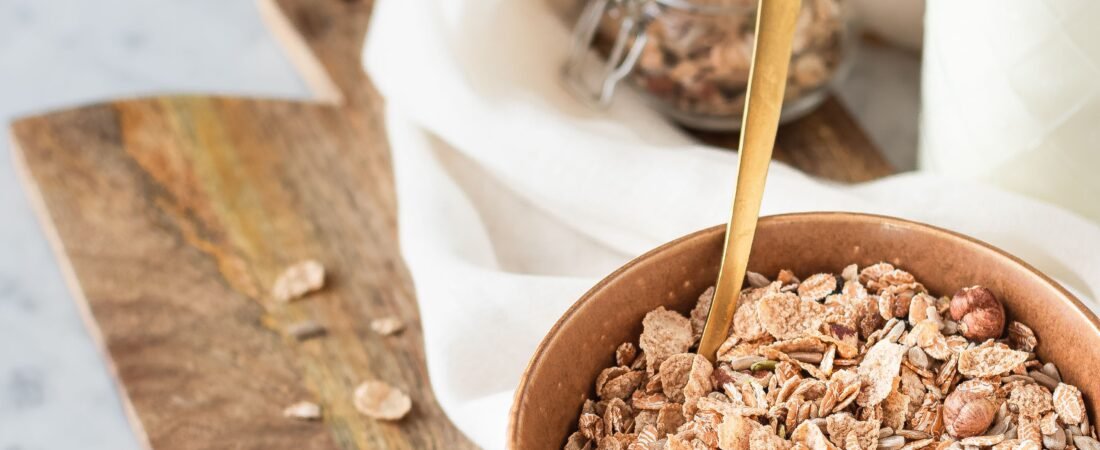
Fibermaxxing means trying to eat more fiber each day.
It sounds like another internet trend.
Still, this one has real value.
Most people need more fiber.
Yet your gut needs time to adjust.
So the goal is not “as much as possible.”
The goal is steady, comfortable progress.
Have you ever eaten a huge bean bowl and felt bloated later?
That is the lesson here.
Fiber is powerful, but pacing matters.
Gut health
High-fiber foods
Daily fiber needs
7-day plan
Quick Answer: What Is Fibermaxxing?
Sources:
UCLA Health
|
Associated Press
|
National Academies DRI Table
Fibermaxxing is the habit of raising your daily fiber intake.
Usually, people do it with beans, oats, berries, seeds, grains, and vegetables.
However, it should not mean forcing huge fiber amounts overnight.
Instead, add fiber slowly and drink enough water.
For adults, common daily targets are about 25 to 38 grams.
Exact needs depend on age, sex, pregnancy, lactation, and calories.
Why Fibermaxxing Is Trending Now
Sources:
UCLA Health
|
Associated Press
Protein had the spotlight for a long time.
Now many people are noticing fiber again.
That is good news.
Fiber is not flashy, but it works quietly.
It helps digestion, fullness, cholesterol, blood sugar, and gut bacteria.
Still, social media can push people too fast.
Therefore, this guide keeps the trend safe and practical.
How Much Fiber Should You Eat a Day?
Sources:
National Academies DRI Table
|
UCLA Health
Many adult women need about 25 grams of fiber daily.
Many adult men need about 38 grams daily before age 51.
After age 51, daily needs are lower for many adults.
However, these numbers are general targets.
Your best number also depends on total calories and health needs.
Most adults can aim for 25 to 38 grams per day.
However, start lower if your current intake is low.
Then raise fiber by a few grams each week.
Do you need to count every gram?
Not always.
You can also build meals around plants.
For example, add beans, oats, berries, vegetables, and whole grains often.
Over time, these choices can move your intake upward.
Daily Fiber Needs by Age, Sex and Life Stage
Source:
National Academies DRI Table
The official table uses Adequate Intake, often called AI.
AI is used when exact requirement data is limited.
Still, it gives a useful daily goal.
| Group | Daily fiber AI | Simple note |
|---|---|---|
| Children 1–3 years | 19 g/day | Small servings matter at this age. |
| Children 4–8 years | 25 g/day | Fruit, vegetables, oats, and beans can help. |
| Boys 9–13 years | 31 g/day | Needs rise during growth years. |
| Girls 9–13 years | 26 g/day | Meals and snacks can share the target. |
| Boys 14–18 years | 38 g/day | Active teens may need more total food. |
| Girls 14–18 years | 26 g/day | Fiber should come from a varied diet. |
| Men 19–50 years | 38 g/day | Many men fall short of this target. |
| Women 19–50 years | 25 g/day | This is a common adult target. |
| Men 51+ years | 30 g/day | Needs drop with lower calorie needs. |
| Women 51+ years | 21 g/day | Small daily changes can still help. |
| Pregnancy | 28 g/day | Ask your clinician for personal advice. |
| Lactation | 29 g/day | Hydration and total food intake also matter. |
These values are daily targets for generally healthy people.
Medical needs can change the right amount.
Benefits of Fibermaxxing When Done Slowly
Sources:
UCLA Health
|
MedlinePlus
|
Associated Press
Fiber does not give quick drama.
Instead, it supports the body in quiet daily ways.
Fiber can support regular bowel movements.
High-fiber meals may help you feel full longer.
Some fibers feed helpful gut microbes.
Soluble fiber can slow digestion and glucose rise.
Certain fibers can help lower LDL cholesterol.
Fiber often comes with vitamins, minerals, and plant compounds.
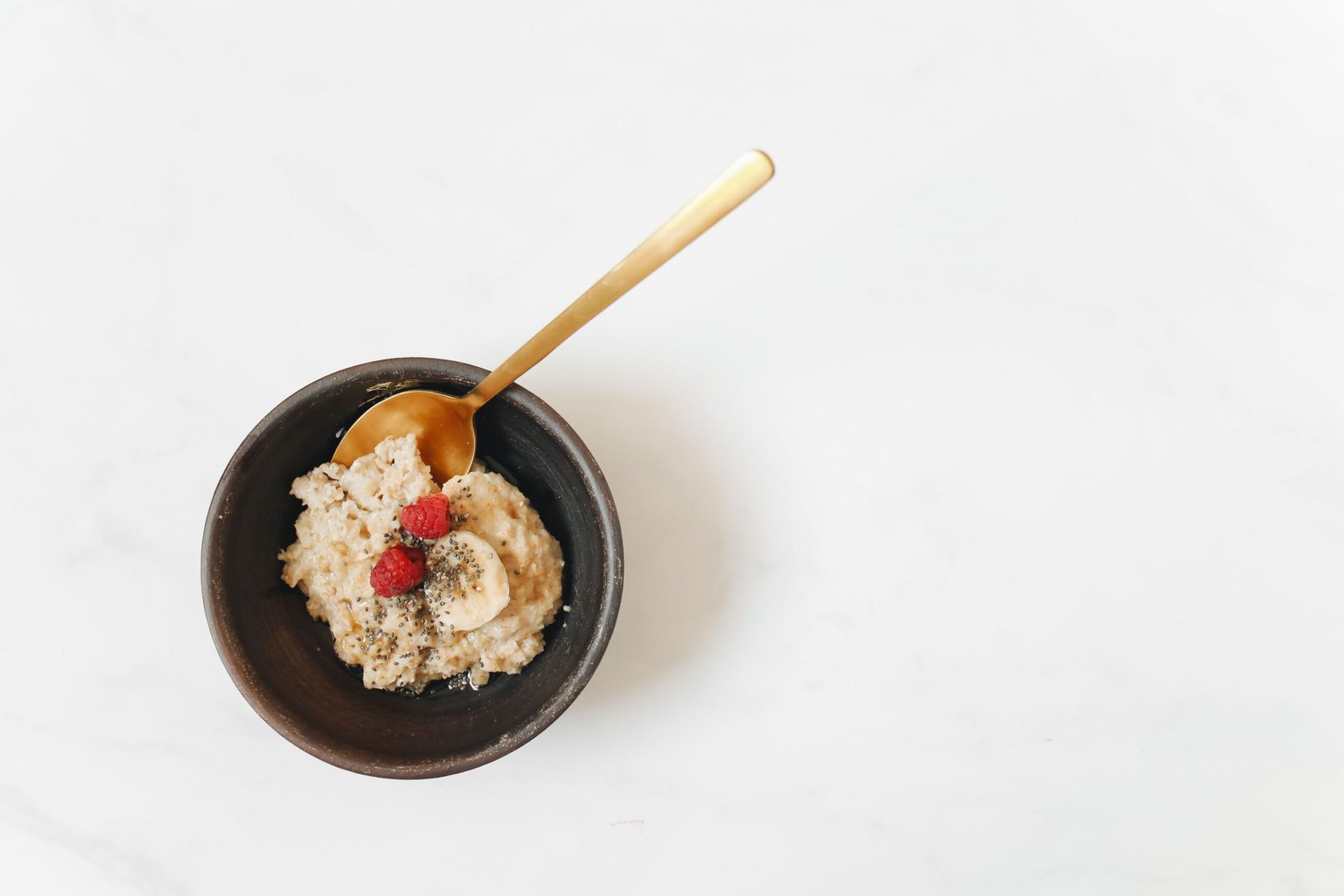
A plain bowl of oats may not look exciting.
Yet it can keep a morning calm.
Add berries and chia, and the meal feels more complete.
That is fibermaxxing at its best.
It feels doable.
Soluble vs Insoluble Fiber
Sources:
MedlinePlus
|
Verywell Health
Fiber is not one single thing.
Two common groups are soluble and insoluble fiber.
Soluble fiber
Soluble fiber dissolves in water.
It can form a gel-like texture in the gut.
Oats, beans, apples, lentils, and psyllium contain soluble fiber.
Insoluble fiber
Insoluble fiber does not dissolve the same way.
It helps add bulk and supports movement through the gut.
Whole grains, many vegetables, nuts, and seeds can provide it.
You do not need to chase only one fiber type.
Instead, eat different plant foods across the week.
Best High-Fiber Foods for Fibermaxxing
Sources:
USDA FoodData Central
|
MyPlate Fruits
|
MyPlate Vegetables
The best fiber foods are simple.
Beans, lentils, oats, berries, vegetables, nuts, and seeds are easy winners.
However, portions still matter.
| Food | Easy serving idea | Why it helps | Simple use |
|---|---|---|---|
| Lentils | Soup, bowl, salad, or curry | High fiber plus plant protein | Add half cup to lunch |
| Black beans | Tacos, rice bowls, soups | Budget-friendly and filling | Use as a meat extender |
| Chickpeas | Hummus, salad, roasted snack | Good for quick meals | Add to wraps |
| Oats | Oatmeal or overnight oats | Easy breakfast fiber | Add berries and chia |
| Raspberries | Fresh, frozen, yogurt topping | High fiber fruit choice | Add to breakfast |
| Avocado | Toast, bowl, salad, dip | Fiber plus healthy fats | Use a small portion |
| Chia seeds | Pudding, oatmeal, smoothie | Fiber-dense in small amounts | Start with one teaspoon |
| Ground flaxseed | Oats, yogurt, smoothies | Easy to mix into meals | Add one tablespoon |
| Whole-grain bread | Sandwiches or toast | Simple swap from white bread | Check grams per slice |
| Broccoli | Steamed, roasted, stir-fry | Fiber with vitamins | Add to dinner |
| Sweet potato | Baked, roasted, mashed | Comfort food with fiber | Eat with skin if tolerated |
| Popcorn | Air-popped snack | Whole-grain snack option | Keep toppings modest |
Compare foods by fiber per 100 grams and per serving.
Then choose the serving you can actually eat often.
High-Protein, High-Fiber Foods
Sources:
USDA FoodData Central
|
MyPlate Protein Foods
Many people now want protein and fiber together.
That makes sense.
The pair can make meals feel more satisfying.
Still, not every protein food has fiber.
Meat, fish, eggs, and dairy have little or no fiber.
| Food | Best use | Why it works | Gentle start |
|---|---|---|---|
| Lentils | Soups, bowls, curries | Strong protein and fiber mix | Start with 1/4 cup |
| Beans | Rice bowls, tacos, salads | Filling and affordable | Rinse canned beans |
| Chickpeas | Hummus, wraps, roasted snacks | Easy for meal prep | Add slowly |
| Edamame | Snack, bowl topping, stir-fry | Plant protein with fiber | Try a small bowl |
| Peanuts | Snack or peanut butter | Protein, fat, and some fiber | Watch portions |
| Almonds | Snack, oatmeal topping | Crunchy and filling | Use a small handful |
| Chia seeds | Oats, pudding, smoothie | Fiber-dense and easy to add | Start small |
| Whole-grain pasta | Dinner bowls | Higher fiber than refined pasta | Mix half and half |
Pair chicken, fish, eggs, or yogurt with beans, oats, vegetables, or berries.
This gives protein and fiber without forcing one food to do everything.
7-Day Fibermaxxing Plan
This plan is not a strict diet.
Instead, it shows easy ways to raise fiber gently.
Choose portions that fit your body.
Day 1 to Day 3: Start softly
| Day | Breakfast | Lunch | Dinner | Gentle fiber move |
|---|---|---|---|---|
| Day 1 | Oats with berries | Turkey sandwich with whole-grain bread | Chicken, rice, and broccoli | Add one fruit |
| Day 2 | Greek yogurt with chia | Chicken salad with chickpeas | Fish, sweet potato, and vegetables | Add 1/4 cup beans |
| Day 3 | Eggs with whole-grain toast | Lentil soup with side salad | Beef or tofu bowl with vegetables | Add vegetables twice |
Day 4 to Day 7: Build slowly
| Day | Breakfast | Lunch | Dinner | Gentle fiber move |
|---|---|---|---|---|
| Day 4 | Overnight oats with flax | Bean and rice bowl | Chicken wrap with vegetables | Use whole grains |
| Day 5 | Smoothie with berries and oats | Tuna salad with whole-grain crackers | Lentil pasta with vegetables | Add berries |
| Day 6 | Avocado toast and fruit | Chickpea wrap | Salmon, quinoa, and greens | Add a seed topping |
| Day 7 | Oats with apple and cinnamon | Black bean taco bowl | Tofu or chicken stir-fry | Review comfort level |
Ask yourself one honest question each night.
Did my stomach feel better, worse, or the same today?
If it felt worse, slow down tomorrow.
How to Start Fibermaxxing Without Bloating
Sources:
Verywell Health
|
Associated Press
The easiest mistake is going too hard too soon.
Your gut bacteria need time to adjust.
Therefore, add fiber in small steps.
Add one food
Start with oats, fruit, beans, or vegetables.
Drink water
Fiber works better when fluids are enough.
Wait and notice
Watch bloating, gas, stool changes, and comfort.
Increase slowly
Add more only when your gut feels ready.
Try the two-week method
For one week, add one high-fiber food daily.
Then add a second daily change next week.
This feels slower.
However, it is often easier to keep.
Use cooked foods if your gut is sensitive
Raw salads can feel harsh for some people.
Instead, try cooked vegetables, soups, oats, and soft beans.
Comfort matters.
A plan you quit will not help.
Fibermaxxing Risks and Warning Signs
Sources:
Verywell Health
|
Associated Press
Fiber is helpful, but too much too fast can feel awful.
Bloating is the warning most people notice first.
Gas, cramps, constipation, or diarrhea can also happen.
| Sign | Possible reason | What to try |
|---|---|---|
| Bloating | Gut bacteria are fermenting more fiber. | Reduce fiber slightly and build slower. |
| Gas | Beans, inulin, or large jumps can trigger gas. | Use smaller portions for now. |
| Constipation | Fiber rose without enough fluids. | Add water and reduce the jump. |
| Diarrhea | Some fibers may speed digestion. | Pause new additions and watch symptoms. |
| Stomach pain | Your gut may not tolerate the change. | Stop the trigger food and seek care if severe. |
Ask a clinician first if you have bowel disease, narrowing, severe constipation, or swallowing issues.
Also ask if you use fiber supplements with medicines.
Fiber can affect how some medicines are absorbed.
Fiber Supplements vs Whole Foods
Sources:
NIH ODS Supplement Overview
|
MedlinePlus
Fiber supplements can help some people.
However, they are not the same as a full food.
Beans, berries, oats, and vegetables bring more than fiber.
They also bring water, minerals, vitamins, and plant compounds.
When supplements may help
A supplement may help when food intake cannot meet needs.
For example, psyllium is a common fiber supplement.
Still, start low and follow the label.
When to avoid guessing
Do not use high-dose fiber supplements to treat symptoms alone.
Instead, get help if symptoms are new, severe, or persistent.
Build the base with food first.
Then consider supplements only when they clearly fit your need.
Helpful Foodmanac Links
Fibermaxxing is easier when you can compare foods.
Therefore, use Foodmanac pages as a simple check.
Browse foods high in fiber
Compare foods high in protein
Explore Foodmanac foods
Use the nutrient finder
See Foodmanac data methodology
Read more nutrition guides
Frequently Asked Questions
What does fibermaxxing mean?
Fibermaxxing means trying to eat more fiber each day.
It usually focuses on foods like beans, oats, berries, vegetables, seeds, and whole grains.
Is fibermaxxing healthy?
It can be healthy when done slowly with whole foods.
However, sudden large increases can cause gas, bloating, constipation, or diarrhea.
How much fiber should I eat a day?
Many adults need about 25 to 38 grams daily.
Needs change by age, sex, pregnancy, lactation, and calories.
What are the best foods for fibermaxxing?
Good choices include beans, lentils, oats, raspberries, chia seeds, flaxseed, vegetables, and whole grains.
Can too much fiber be bad?
Yes.
Too much fiber too quickly can cause bloating, gas, constipation, diarrhea, or pain.
Increase slowly and drink enough water.
How fast should I increase fiber?
Add one small high-fiber food daily first.
Then increase again after your gut feels comfortable.
Do protein foods contain fiber?
Some do.
Beans, lentils, chickpeas, edamame, nuts, and seeds contain protein and fiber.
Meat, fish, eggs, and dairy have little or no fiber.
Are fiber supplements better than food?
Not usually.
Whole foods bring fiber plus other nutrients.
Supplements can help some people, but they should be used carefully.
The Bottom Line
Fibermaxxing can be a smart trend.
Still, your gut does not like sudden surprises.
Start with real foods.
Add fiber slowly.
Also, drink water and listen to your body.
The best plan is not extreme.
It is the one you can repeat next week.
References and Data Sources
-
UCLA Health.
Is fibermaxxing a sound nutrition trend?
UCLA Health -
National Academies.
Dietary Reference Intakes for total fiber.
National Academies DRI Table -
Associated Press.
Fiber is something most people could use more of.
Associated Press -
MedlinePlus.
Dietary fiber.
MedlinePlus -
Verywell Health.
Signs you are eating too much fiber.
Verywell Health -
Verywell Health.
Fibermaxxing and longevity.
Verywell Health -
NIH Office of Dietary Supplements.
Dietary supplements background information.
NIH ODS -
USDA FoodData Central.
Food composition database.
USDA FoodData Central -
MyPlate.
Fruits.
MyPlate Fruits -
MyPlate.
Vegetables.
MyPlate Vegetables
Medical note:
This article is for general nutrition education.
It does not replace medical or dietitian advice.