
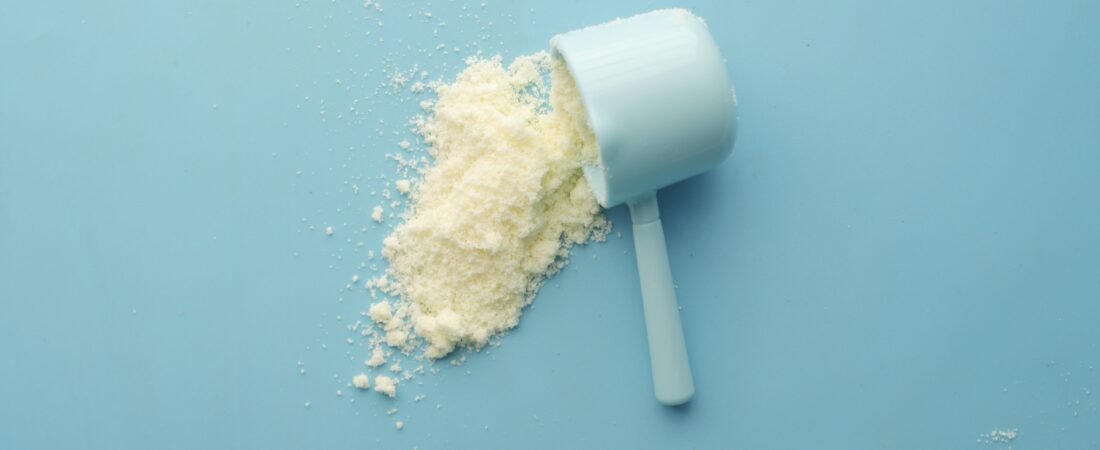
How is protein powder made?
It starts with real foods.
Whey starts with milk.
Pea protein starts with yellow peas.
Vegan blends often start with peas, rice, soy, pumpkin or other plants.
Then factories separate protein, dry it into powder, test it and pack it.
However, every powder is not made the same way.
Pea protein
Vegan blends
Isolate
Manufacturing process
Quick Answer: How Is Protein Powder Made?
Sources:
Dairy Processing Handbook
|
Pea Protein Review
|
FDA CGMP
Protein powder is made by choosing a protein source first.
Next, the protein is separated from water, starch, fat, fiber or minerals.
Then the liquid or paste is filtered, concentrated and dried.
After that, the powder may be flavored, tested and packed.
Finally, the label shows serving size, protein amount and other ingredients.
The Basic Protein Powder Manufacturing Process
Sources:
FDA CGMP Overview
|
Whey Processing Review
A factory does not “create” protein from nothing.
Instead, it pulls protein from a food that already contains it.
That food may be milk, peas, soybeans, rice or another source.
Then the factory removes much of the water and non-protein material.
Choose source
Milk, peas, soy, rice or seeds are selected.
Clean and prepare
The source is washed, milled, separated or filtered.
Separate protein
Factories use filtration, settling or extraction methods.
Dry the protein
Spray drying is common for many powders.
Test and pack
Batches are checked, blended and sealed.
Many shoppers know the feeling.
You pick up a tub and see “isolate,” “grass-fed,” or “plant-based.”
It can sound clean.
It can also sound confusing.
This guide helps you see what likely happened before that scoop reached your kitchen.
How Is Whey Protein Powder Made?
Sources:
Dairy Processing Handbook
|
Whey Drying Study
|
Whey Review
Whey protein usually starts as a liquid left from cheesemaking.
Cheesemakers separate curds from liquid whey.
The curds become cheese.
The whey can become protein powder.
Step 1: Liquid whey is collected
The liquid whey still contains water, lactose, minerals and whey proteins.
Therefore, the first job is cleaning and concentrating the useful part.
Step 2: The whey is filtered
Factories often use membrane filtration.
Ultrafiltration helps keep protein while smaller compounds pass through.
In simple words, it works like a very fine filter.
Step 3: Lactose and minerals are reduced
Diafiltration may add water during filtration.
This helps wash out more lactose and minerals.
Because of this, the protein percentage can rise.
Step 4: The liquid is dried
After filtration, the protein-rich liquid still contains water.
Spray drying turns that liquid into powder.
Then the powder can be blended, tested and packed.
Whey protein powder is made by filtering liquid whey and drying the protein-rich part.
How Is Whey Protein Isolate Made?
Sources:
Whey Isolate Filtration Study
|
Dairy Membrane Review
Whey protein isolate is more refined than many concentrates.
It usually has more protein and less lactose per scoop.
However, the exact amount depends on the brand and product.
More filtration is the main difference
Isolate production often uses extra filtration.
Microfiltration, ultrafiltration and diafiltration may be used.
These steps remove more lactose, minerals, fat and other small material.
Is isolate always better?
Not always.
Isolate can be useful for higher protein and lower lactose needs.
However, concentrate can be enough for many people.
Also, taste, cost and digestion can matter.
The best powder is not always the most expensive tub.
The best powder is the one that fits your body, budget and food habits.
How Is Pea Protein Powder Made?
Sources:
Pea Protein Isolate Review
|
Yellow Pea Protein Review
|
Pea Isolate Review on PubMed
Pea protein powder usually starts with yellow split peas.
The peas are cleaned, milled and turned into flour.
Then the protein is separated from starch and fiber.
Step 1: Peas are cleaned and milled
Factories remove unwanted material first.
Next, dry peas are milled into flour.
This makes the protein easier to separate.
Step 2: Protein is separated
Wet fractionation is common for pea protein isolate.
The flour is mixed with water under controlled conditions.
Then protein is separated from starch, fiber and other parts.
Step 3: Protein is collected
Some processes use pH changes to help protein gather.
This is often called isoelectric precipitation.
It sounds complex, but the idea is simple.
The factory changes conditions so protein comes out of the liquid.
Step 4: Protein is dried into powder
Finally, the protein-rich material is dried.
Spray drying is one common way to make a fine powder.
After that, the powder can be blended with flavor or other ingredients.
How Is Vegan Protein Powder Made?
Sources:
Plant Protein Review
|
Pea Protein Food Industry Review
Vegan protein powder is not one single thing.
It can come from peas, rice, soy, hemp, pumpkin or blends.
Therefore, the process changes by ingredient.
Single-source vegan powders
Some powders use one main protein source.
Pea protein and soy protein are common examples.
These powders are separated, dried and packed like other protein ingredients.
Vegan protein blends
Some brands blend two or more plant proteins.
For example, pea and rice may appear together.
This can improve taste, texture or amino acid balance.
Why plant powders can taste different
Plant proteins may carry earthy, bitter or grassy notes.
Because of this, brands often add cocoa, vanilla or sweeteners.
Some brands also use enzymes or special processing steps.
Vegan protein powder is made by extracting protein from plants, drying it and blending it.
What Is Protein Powder Made Of?
Sources:
NIH ODS Supplement Overview
|
FDA Supplement Label Note
The main ingredient is usually a protein concentrate or protein isolate.
However, many products include more than protein.
Common main protein sources
A dairy protein from liquid whey.
A dairy protein found in milk curds.
A plant protein made from yellow peas.
A plant protein made from soybeans.
A plant protein often used in blends.
Hemp, pumpkin and other seeds may be used.
Common added ingredients
A flavored powder may include cocoa, vanilla, salt or sweeteners.
Some powders also include gums or lecithin for better mixing.
In addition, some formulas include vitamins, minerals or enzymes.
Look at the first ingredient.
It usually tells you the main protein source.
Then check the serving size, grams of protein and added sweeteners.
Whey, Pea, Vegan and Isolate Process Comparison
Sources:
Whey Processing
|
Pea Processing
This table shows the process in plain words.
However, each brand may use its own exact method.
| Type | Main source | Main separation step | Common drying step | What shoppers notice |
|---|---|---|---|---|
| Whey concentrate | Liquid whey from dairy processing | Ultrafiltration | Spray drying | Often creamy and less costly than isolate. |
| Whey isolate | Whey protein concentrate or filtered whey | More filtration and washing | Spray drying | Usually higher protein and lower lactose. |
| Pea protein isolate | Yellow peas | Wet fractionation and protein collection | Spray drying or other drying | Plant-based and often used in vegan powders. |
| Vegan blend | Pea, rice, soy, seeds or other plants | Depends on each plant source | Dry blending after powder production | May improve texture, taste or amino acid balance. |
| Hydrolyzed protein | Whey, collagen or another protein | Enzyme treatment breaks protein chains | Drying after processing | Often marketed for faster digestion. |
Is Protein Powder Safe? Testing and Quality Checks
Sources:
FDA Dietary Supplement CGMP
|
NSF Supplement Certification
|
Informed Protein
Protein powders sold as dietary supplements are not approved like drugs.
Therefore, quality checks matter.
FDA rules require supplement manufacturers to follow current good manufacturing practices.
These rules cover manufacturing, packaging, labeling and holding operations.
What brands may test
A serious brand may test identity, purity, protein amount and contaminants.
Also, some brands use outside labs.
Athletes may look for third-party sport certification.
Third-party marks can help
NSF and Informed programs test and certify some supplement products.
However, a logo is only useful when it matches the exact product.
Therefore, check the certification database when possible.
A protein powder can still upset your stomach.
It may also contain allergens, sweeteners or ingredients you do not tolerate.
Ask a qualified clinician before using supplements for medical needs.
How to Read a Protein Powder Label
Sources:
FDA Label Information
|
FDA Structure Function Claims
A good label check takes less than one minute.
Still, it can save you from buying the wrong product.
| Label item | What to check | Why it matters |
|---|---|---|
| Protein source | Whey, pea, soy, rice, casein or blend. | This affects allergies, digestion and diet fit. |
| Protein per serving | Check grams of protein per scoop. | Scoop sizes can differ across brands. |
| Serving size | Check grams per scoop, not only scoops. | A larger scoop can make protein look higher. |
| Sweeteners | Look for sugar, stevia, sucralose or sugar alcohols. | Some sweeteners bother some stomachs. |
| Allergens | Check milk, soy, tree nuts or other allergens. | This is important for safety. |
| Testing mark | Look for verified third-party certification. | This may lower quality and contamination risk. |
A supplement claim is not the same as drug approval.
FDA notes that some supplement claims are not evaluated like drug claims.
Therefore, read claims with care.
Concentrate vs Isolate vs Hydrolysate
Sources:
Whey Concentrate Overview
|
Dairy Membrane Review
These words describe how refined a protein ingredient is.
However, they do not tell the full story alone.
Less refined than isolate.
It may contain more lactose, fat or carbs.
More filtered than many concentrates.
It often has more protein per gram.
Protein is partly broken down with enzymes.
It may taste more bitter.
For example, whey isolate can fit people who want lower lactose.
Meanwhile, concentrate may be fine for people who tolerate dairy well.
Finally, price and taste matter more than the label buzzword.
Common Mistakes When Buying Protein Powder
Protein powder can be useful.
However, a rushed purchase can disappoint you.
Mistake 1: Ignoring the scoop size
One powder may use a 30 g scoop.
Another may use a 45 g scoop.
Therefore, compare protein per 100 g when possible.
Mistake 2: Trusting front-label claims only
Front labels are written to sell.
Instead, check the full ingredient list and facts panel.
Mistake 3: Forgetting digestion
A powder can look great on paper.
Still, it may not feel good in your stomach.
Start with a small amount when trying a new product.
Mistake 4: Missing allergens
Whey and casein come from milk.
Soy protein comes from soybeans.
Also, shared facilities may matter for sensitive people.
Helpful Foodmanac Links
Protein powder is only one way to add protein.
However, whole foods can also help.
Use these Foodmanac pages to compare food options.
Browse foods high in protein
Check chicken breast protein
Explore Foodmanac foods
Frequently Asked Questions
How is protein powder made in simple words?
Protein powder is made by separating protein from food.
Then the protein is concentrated, dried, tested and packed.
How is whey protein powder made?
Whey protein starts as liquid whey from dairy processing.
It is filtered to keep protein and remove much of the water, lactose and minerals.
Then it is dried into powder.
How is pea protein powder made?
Pea protein starts with yellow peas.
The peas are cleaned, milled, mixed with water and processed to separate protein.
Finally, the protein-rich material is dried into powder.
What is protein powder made of?
It is usually made from whey, casein, pea, soy, rice, hemp or blended proteins.
Many products also contain flavors, sweeteners, lecithin, gums or added nutrients.
Is whey isolate more processed than whey concentrate?
Yes, isolate usually goes through more filtration.
Because of this, it often has more protein and less lactose per gram.
Is vegan protein powder highly processed?
It can be.
Plant proteins often need milling, extraction, separation and drying.
However, processing level depends on the product and method.
Does FDA approve protein powder before sale?
Dietary supplements are not approved like drugs before sale.
However, manufacturers must follow rules that apply to supplements.
What should I check before buying protein powder?
Check the protein source, serving size, protein per serving, allergens and added sweeteners.
Also, check third-party testing when safety matters.
The Bottom Line
Protein powder is not magic.
It is food protein separated, dried and packed into a scoopable form.
Whey powder starts with dairy.
Pea powder starts with peas.
Vegan powders may blend several plant proteins.
Meanwhile, isolate means extra separation has usually happened.
Most importantly, read the label before trusting the front of the tub.
References and Data Sources
-
FDA.
Current Good Manufacturing Practice in Manufacturing, Packaging, Labeling, or Holding Operations for Dietary Supplements.
FDA CGMP guide -
FDA.
Is It Really FDA Approved?
FDA consumer update -
FDA.
Structure and function claims for dietary supplements.
FDA label claims guide -
NIH Office of Dietary Supplements.
Dietary Supplements Background Information.
NIH ODS supplement overview -
Dairy Processing Handbook.
Milk and Whey Fractionation.
Dairy Processing Handbook -
Whey processing review.
Whey: Composition, Processing, Application, and Prospects.
PMC whey review -
Effects of spray drying and freeze drying on whey protein concentrate.
PMC whey drying study -
Pea Protein Isolates: From Extraction to Functionality.
PMC pea protein review -
Yellow Field Pea Protein: Extraction Technologies, Functionalities, and Applications.
PMC yellow pea protein review -
Pea Protein Isolate as a Versatile and Sustainable Protein.
PubMed pea isolate review -
NSF.
Supplement and Vitamin Certification.
NSF supplement certification -
Informed Protein.
Protein supplement testing.
Informed Protein testing
Medical note:
This article is for general education.
It does not replace medical or dietitian advice.