
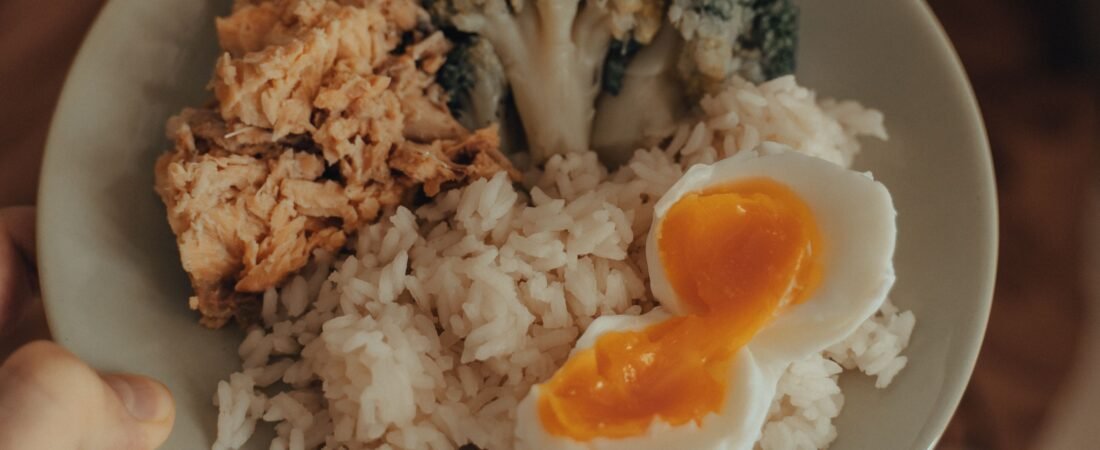
Finding the best protein rich foods is important for supporting muscle growth, healthy aging, child development, weight management, and overall wellness. Protein is one of the three essential macronutrients the body needs every day to build and repair tissues, produce enzymes and hormones, and maintain strength.
Whether you are looking for high protein foods for fitness goals, healthy meals for your family, or nutrient-dense foods for children and older adults, choosing the right protein sources can make a significant difference.
This complete guide explains the best protein sources, protein requirements by age, animal and plant-based options, and the most nutritious foods high in protein.
What Is Protein and Why Does Your Body Need It?
Protein is a nutrient made up of amino acids, which are often called the building blocks of the body. Your body uses amino acids to repair muscles, create new cells, support immunity, and maintain important biological functions.
Unlike carbohydrates and fats, protein has a unique role in maintaining body structure because it directly contributes to muscles, skin, organs, and many essential processes.
Main Benefits of Protein
- Supports muscle growth and repair
- Helps maintain healthy bones and tissues
- Supports immune function
- Helps with feeling full after meals
- Provides essential amino acids
- Supports growth in children and teenagers
How Much Protein Do You Need Every Day?
Protein needs vary depending on age, body size, activity level, health goals, and life stage. The recommended dietary allowance for healthy adults is approximately 0.8 grams of protein per kilogram of body weight per day, although athletes and some groups may require more.
| Age Group | Daily Protein Need |
|---|---|
| Infants | Higher needs based on rapid growth |
| Children | Supports growth and development |
| Teenagers | Important during growth and puberty |
| Adults | Supports maintenance and repair |
| Athletes | Often require increased protein intake |
| Older Adults | Helps preserve muscle mass |
30 Protein Rich Foods: Best High Protein Sources
1. Chicken Breast
Chicken breast is one of the most popular high protein foods because it is lean, versatile, and easy to include in meals.
- High-quality complete protein
- Low in carbohydrates
- Rich in essential amino acids
Chicken breast nutrition data can vary depending on whether it is raw or cooked. For accurate nutrient information, refer to the
USDA FoodData Central database
.
2. Eggs
Eggs are a complete protein source containing all nine essential amino acids. They also provide vitamins, minerals, and healthy fats.
3. Greek Yogurt
Greek yogurt is a convenient protein-rich food that also provides calcium and probiotics that support digestive health.
4. Fish
Fish such as salmon, tuna, and cod provide protein along with important nutrients like omega-3 fatty acids.
5. Beef
Lean beef provides high-quality protein, iron, zinc, and vitamin B12.
6. Turkey
Turkey is a lean protein option commonly used in healthy meal plans.
7. Milk
Milk provides protein, calcium, vitamin D (when fortified), and other important nutrients.
8. Cottage Cheese
Cottage cheese is a protein-rich dairy food often used in healthy snacks and meals.
9. Lentils
Lentils are one of the best plant-based protein sources and also provide fiber and minerals.
10. Chickpeas
Chickpeas provide plant protein, fiber, and important nutrients that support a balanced diet.
11. Tofu
Tofu is a popular plant-based protein source made from soybeans. It is especially useful for vegetarians and people looking for dairy-free protein options.
- Complete plant protein
- Contains minerals such as calcium and iron
- Works well in many recipes
12. Beans
Beans are affordable, nutrient-dense protein sources that also provide fiber, vitamins, and minerals.
- Black beans
- Kidney beans
- Navy beans
- Pinto beans
13. Salmon
Salmon provides high-quality protein along with omega-3 fatty acids that support heart and brain health.
14. Tuna
Tuna is a convenient protein-rich food commonly used in sandwiches, salads, and healthy meals.
15. Shrimp
Shrimp is a low-calorie seafood option that provides protein and several important nutrients.
16. Almonds
Almonds contain plant-based protein, healthy fats, magnesium, and vitamin E.
Because nuts are calorie-dense, portion size is important.
17. Pumpkin Seeds
Pumpkin seeds are a nutrient-rich snack containing protein, magnesium, zinc, and healthy fats.
18. Chia Seeds
Chia seeds provide plant protein along with fiber and omega-3 fatty acids.
19. Quinoa
Quinoa is a unique grain because it contains all nine essential amino acids, making it a complete plant protein.
20. Peanuts and Peanut Butter
Peanuts and peanut butter provide protein and healthy fats. They can be useful additions to balanced meals and snacks.
People with peanut allergies should choose safe alternatives.
21. Edamame
Edamame contains complete plant protein and is a popular option for vegetarian diets.
22. Tempeh
Tempeh is a fermented soy product that provides protein, fiber, and beneficial nutrients.
23. Seitan
Seitan is a wheat-based protein source commonly used as a meat alternative.
Note: People with gluten sensitivity or celiac disease should avoid seitan.
24. Protein-Rich Oats
Oats contain moderate protein along with fiber that helps support digestive health and fullness.
25. Spirulina
Spirulina is an algae-based food containing protein and various micronutrients.
26. Pork Tenderloin
Lean pork tenderloin provides high-quality protein along with important vitamins and minerals.
27. Turkey Breast
Turkey breast is a lean protein option that is low in fat and high in essential amino acids.
28. Bone Broth
Bone broth contains amino acids and collagen-related nutrients, although protein content varies depending on preparation.
29. Hemp Seeds
Hemp seeds provide plant-based protein, healthy fats, and minerals.
30. Protein-Rich Cheese
Cheese provides protein and calcium. Choosing appropriate portions can make it part of a balanced diet.
Protein Content Comparison of Popular Foods
| Food | Approximate Protein | Serving |
|---|---|---|
| Chicken Breast | About 30g | 100g cooked |
| Eggs | About 6g | 1 large egg |
| Greek Yogurt | 15–20g | 1 serving |
| Lentils | About 9g | 100g cooked |
| Salmon | About 22g | 100g cooked |
| Tofu | About 8–15g | 100g |
Animal Protein vs Plant Protein: Which Is Better?
Both animal and plant protein sources can support health. The best choice depends on dietary preferences, nutritional needs, and overall eating patterns.
Animal Protein Sources
- Chicken
- Fish
- Eggs
- Milk
- Yogurt
- Meat
Animal proteins usually contain all essential amino acids and are considered complete proteins.
Plant Protein Sources
- Lentils
- Beans
- Tofu
- Quinoa
- Nuts and seeds
Plant proteins often provide additional nutrients such as fiber, antioxidants, and minerals.
Protein Rich Foods for Children
Protein is especially important during childhood because children are growing rapidly and developing muscles, bones, and tissues.
Good Protein Choices for Kids:
- Eggs
- Milk
- Yogurt
- Chicken
- Fish
- Beans
- Lentils
- Nut or seed butters (if safe)
Protein Rich Foods for Teenagers
Teenagers need adequate protein to support growth, hormones, muscles, and increased activity levels.
Good choices include:
- Lean meats
- Dairy products
- Eggs
- Fish
- Plant proteins
High Protein Foods for Adults
Adults can benefit from including protein at every meal to support muscle maintenance, metabolism, and overall health.
Examples:
- Chicken breast
- Fish
- Greek yogurt
- Beans
- Eggs
High Protein Foods for Muscle Gain
People aiming to build muscle often combine adequate protein intake with resistance training and sufficient calories.
Popular choices include:
- Chicken breast
- Eggs
- Whey protein
- Fish
- Lean meat
- Greek yogurt
High Protein Foods for Older Adults
Protein becomes increasingly important with age because maintaining muscle mass helps support strength, mobility, and independence. Older adults may benefit from including protein-rich foods throughout the day rather than consuming most protein in one meal.
Recommended Protein Sources for Seniors:
- Greek yogurt
- Eggs
- Fish
- Chicken
- Cottage cheese
- Beans and lentils
- Tofu
High Protein Foods for Vegetarians
Vegetarians can meet protein needs by combining different plant-based sources and including nutrient-dense foods regularly.
Best Vegetarian Protein Sources:
- Lentils
- Beans
- Chickpeas
- Tofu
- Tempeh
- Quinoa
- Greek yogurt (for vegetarians who consume dairy)
- Eggs (for ovo-vegetarians)
High Protein Foods for Weight Management
Protein can help increase feelings of fullness, which may support healthy weight management when combined with a balanced diet and regular physical activity.
Examples of nutrient-dense protein foods include:
- Eggs with vegetables
- Greek yogurt with fruit
- Chicken salad
- Lentil soup
- Fish with vegetables
- Tofu meals
Signs You May Not Be Getting Enough Protein
Protein deficiency is uncommon in many developed countries, but inadequate intake can occur in certain situations such as restrictive diets, illness, or poor appetite.
Possible signs may include:
- Loss of muscle strength
- Difficulty maintaining muscle mass
- Slow recovery after physical activity
- Feeling weak or tired
- Poor wound healing
If you have concerns about your protein intake or health, consult a qualified healthcare professional.
How to Add More Protein to Your Daily Diet
Increasing protein intake does not require complicated meal plans. Small changes can make a significant difference.
- Add eggs to breakfast
- Include yogurt as a snack
- Add beans or lentils to meals
- Choose lean meats or fish
- Include protein with every major meal
- Combine plant proteins for variety
How to Choose the Best Protein Foods
The healthiest protein choices usually provide protein along with other beneficial nutrients. Instead of focusing only on protein numbers, consider the complete nutritional value of the food.
| Choose More Often | Limit |
|---|---|
| Fish | Highly processed meats |
| Eggs | High sodium processed foods |
| Beans and lentils | Foods with added sugars |
| Lean poultry | Excessively fried protein foods |
| Low-fat dairy | Ultra-processed snacks |
Protein Sources and Food Quality
The quality of protein depends on the amino acid profile, digestibility, and the overall nutrient package of the food. Foods such as eggs, dairy, meat, fish, soy, and quinoa provide complete proteins, while many plant foods can provide excellent nutrition when combined.
For detailed nutrient information about individual foods, the
USDA FoodData Central database
provides a reliable source of food composition data.
Protein and Exercise: What You Should Know
Physical activity increases the importance of adequate protein intake because muscles require amino acids for repair and adaptation after exercise.
However, protein alone does not build muscle. A combination of resistance training, sufficient calories, proper recovery, and balanced nutrition is important.
Protein Rich Foods Around the World
Different cultures have traditional protein-rich foods that provide important nutrients.
- South Asia: Lentils, chickpeas, yogurt, eggs, chicken
- Mediterranean: Fish, beans, yogurt, legumes
- East Asia: Tofu, soy products, seafood
- Western diets: Eggs, dairy, poultry, lean meats
Frequently Asked Questions About Protein Rich Foods
What are the best protein rich foods?
The best protein rich foods include chicken breast, eggs, fish, Greek yogurt, beans, lentils, tofu, seafood, and lean meats. The best choice depends on your dietary preferences and nutritional goals.
How much protein do I need every day?
Protein needs depend on age, body weight, activity level, and health goals. Healthy adults generally need around 0.8 grams of protein per kilogram of body weight daily, while athletes and some groups may need more.
Which foods have the highest amount of protein?
Foods with high protein content include lean meats, fish, eggs, dairy products, soy foods, legumes, and some seeds. The exact amount varies by serving size and preparation method.
What are the best protein rich foods for muscle gain?
For muscle gain, popular protein choices include chicken breast, eggs, fish, lean meat, Greek yogurt, whey protein, tofu, and legumes combined with resistance training.
Can you get enough protein from plant foods?
Yes. Plant-based diets can provide enough protein by including foods such as lentils, beans, tofu, tempeh, quinoa, nuts, and seeds.
What are protein rich foods for children?
Children can get protein from eggs, milk, yogurt, chicken, fish, beans, lentils, and other age-appropriate foods. Protein supports growth, development, and tissue repair.
Final Thoughts on Protein Rich Foods
Choosing the right protein rich foods is an important part of building a balanced diet for every stage of life. Protein supports muscle health, growth, repair, immunity, and overall wellness.
The best approach is not focusing on only one protein source. A variety of foods including poultry, fish, eggs, dairy products, beans, lentils, soy foods, nuts, and seeds can help provide the nutrients your body needs.
Whether your goal is supporting children’s growth, maintaining muscle as you age, improving fitness performance, or simply eating a healthier diet, including quality protein sources in your meals can make a meaningful difference.
Explore more nutrition guides on
Foodmanac
to learn about essential nutrients, vitamins, minerals, and healthy foods.
Trusted Nutrition Sources
The information in this article is based on established nutrition resources including: