
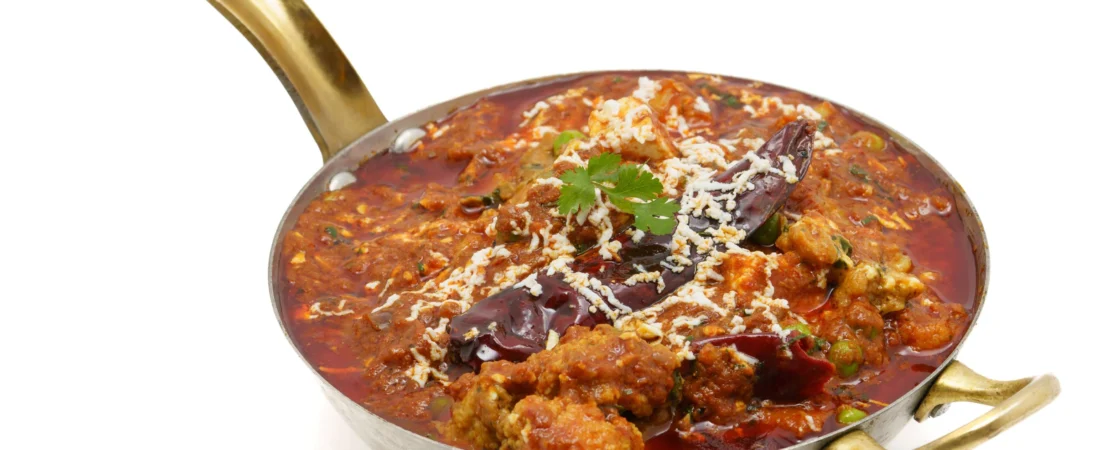
Named after the wok-like pan it’s cooked in, chicken karahi is traditionally made without onions — just tomatoes, ginger, garlic, and chicken. Because of that simple base, chicken karahi nutrition facts are actually harder to pin down than a plate of biryani: chicken karahi calories aren’t fixed to one number, and range from a lean, tomato-based dish with a splash of oil to a rich, cream-finished “white karahi” that can nearly double the calorie count. So this guide breaks down chicken karahi nutritional value by serving size, covers chicken karahi protein, carbs, and fat, and compares it against chicken biryani so you can see which one actually fits your goals.
Chicken Karahi Calories at a Glance
For a standard restaurant serving of classic tomato-based chicken karahi (roughly 250–300g, about a generous ladleful), the chicken karahi nutritional value looks like this:
- Calories: 350–500 kcal
- Protein: 20–30 g
- Carbohydrates: 6–15 g
- Fat: 12–25 g
These are approximate ranges compiled from published nutrition trackers and recipe breakdowns. However, the exact number for your plate depends heavily on how much oil, ghee, or cream went into it. For a source-linked figure matched to a specific recipe, search chicken karahi in Foodmanac’s food database.
Chicken Karahi Nutrition Facts by Serving Size
Here’s the full chicken karahi calories breakdown, from a 100g portion up to a whole karahi:
| Serving Size | Calories | Protein | Carbs | Fat |
|---|---|---|---|---|
| 100 g (chicken karahi calories per 100g) | 150–190 kcal | 15–18 g | 4–6 g | 7–10 g |
| 1 cup (≈235 g) | 350–450 kcal | 22–29 g | 8–14 g | 15–22 g |
| 1 restaurant plate (≈300 g) | 400–500 kcal | 25–32 g | 9–16 g | 16–25 g |
| Whole karahi, serves 4 (≈1 kg) | 1,500–2,000 kcal | 90–120 g | 35–55 g | 65–100 g |
Note: these figures are for classic tomato-based chicken karahi made with a moderate amount of oil. In contrast, a cream- or butter-finished white karahi runs meaningfully higher — see below.
Chicken Karahi Macros: Protein, Carbs, and Fat Breakdown
Chicken Karahi Protein Content
Chicken karahi is one of the more protein-dense Pakistani mains, simply because the dish is mostly chicken with a thin tomato-and-spice gravy rather than a rice or lentil base. As a result, a standard serving delivers 20–30 g of protein — comparable to a chicken breast eaten on its own. In macro terms, protein typically makes up 25–30% of chicken karahi’s total calories.
Chicken Karahi Carbs
Unlike biryani, chicken karahi isn’t built around rice, so its carb count is naturally low — usually under 15 g per serving, or roughly 10–15% of total calories. The traditional base is just tomatoes, ginger, and garlic (no onions), which is part of what keeps it lighter on carbs than onion- or rice-heavy curries. That said, many restaurant versions do add onions, which nudges the carb count up slightly, though it stays modest either way.
Chicken Karahi Fat Content
Fat is the most variable number in the dish, and it comes down almost entirely to how much oil, ghee, or cream the cook uses — typically 40–50% of total calories. For example, each tablespoon of added oil or ghee contributes roughly 120 kcal on its own, so a karahi finished with a heavy ghee drizzle can carry noticeably more fat and calories than the same recipe made with a lighter hand.
White Karahi vs Regular Chicken Karahi Calories
“White karahi” (sometimes called Peshawari karahi) swaps the tomato base for cream, yogurt, or butter, and it’s noticeably richer as a result. Based on published nutrition comparisons, white karahi calories typically run 30–50% higher than the classic tomato-based version at the same serving size, largely because cream and butter replace what would otherwise be a mostly-vegetable base.
| Style | Calories (per serving) | Fat |
|---|---|---|
| Classic tomato-based karahi | 350–500 kcal | 12–25 g |
| White / Peshawari karahi | 500–700+ kcal | 20–40 g |
Chicken Karahi vs Chicken Biryani: Which Has More Calories?
These two are often compared because they’re both restaurant staples, but they’re structured very differently. Biryani is a rice dish layered with meat, so a full plate typically includes 300–400 g of cooked rice plus meat and oil, pushing a standard restaurant serving to roughly 400–700+ kcal, with carbs often in the 50–75 g range. Chicken karahi, on the other hand, skips the rice entirely, which keeps its carb count much lower, though the two can land in a similar calorie range once you account for karahi’s higher fat content from oil and ghee.
In short, if you’re watching carbs, karahi without a side of rice is generally the lighter choice. When it comes to total fat, a lean tomato-based karahi usually beats a generously oiled biryani — but a cream-based white karahi can flip that comparison entirely. Curious how they compare for your exact portions? Compare both dishes directly in Foodmanac.
Is Chicken Karahi Good for Weight Loss or a High-Protein Diet?
Chicken karahi’s protein content and low carb base make it a reasonable fit for high-protein or lower-carb eating patterns, especially compared to rice-heavy alternatives. That said, how healthy it is comes down to preparation more than the dish itself:
- Oil and ghee are the biggest lever — a karahi made with 1–2 tablespoons of oil is a very different dish, calorie-wise, from one finished with a heavy ghee drizzle.
- Skin-on, bone-in chicken adds fat compared to skinless breast or thigh.
- What you eat it with matters — a small portion of roti keeps the meal lower-carb; a large serving of rice or naan adds significantly more.
If you’re managing a specific health condition or following a structured diet plan, it’s worth checking your recipe’s actual numbers rather than relying on a restaurant average — a registered dietitian or your doctor can help you fit it into your plan.
How to Make a Lighter Chicken Karahi
- Measure the oil. Restaurant karahi often uses more oil than home cooking needs — 2 tablespoons is usually enough for a tomato-based version.
- Choose boneless, skinless chicken breast or thigh instead of bone-in, skin-on cuts to cut down on fat without losing protein.
- Skip the cream and butter finish. Stick to the classic tomato-and-spice base rather than a white karahi style if you’re counting calories.
- Go easy on the ghee garnish. A light drizzle at the end adds flavor; a heavy pour adds well over 100 calories per tablespoon.
- Watch the sides. Pair with a modest portion of roti rather than a large serving of naan or rice to keep the total meal lighter.
Chicken Karahi Nutrition Facts: Frequently Asked Questions
How many calories are in one plate of chicken karahi?
A standard restaurant plate (about 300 g) of classic tomato-based chicken karahi typically has 400–500 calories. Meanwhile, a cream-based white karahi of the same size can run 500–700+ calories.
How many calories are in 100g of chicken karahi?
Chicken karahi has approximately 150–190 calories per 100g for the classic tomato-based version. White karahi, on the other hand, runs higher per 100g due to added cream and butter.
What are the macros in chicken karahi?
Roughly 25–30% of chicken karahi’s calories come from protein, 10–15% from carbs, and 40–50% from fat — making it a naturally protein-forward, lower-carb dish compared to rice-based mains.
Is chicken karahi healthier than chicken biryani?
It depends on what you’re optimizing for. Karahi is generally lower in carbs since it skips the rice, while biryani’s calorie count is driven mostly by rice and oil. Either way, neither is automatically healthier — portion size and how much oil or ghee is used matter more than the dish itself.
How much protein is in chicken karahi?
A standard serving delivers roughly 20–30 g of protein, making it one of the higher-protein options among common Pakistani restaurant dishes.
Is chicken karahi low-carb or keto-friendly?
The dish itself is naturally low-carb, usually under 15 g per serving, since it’s built around chicken, tomatoes, ginger, and garlic rather than rice or lentils. However, it pairs less well with a strict keto diet once you add naan or rice on the side, so portion the bread or rice separately if you’re tracking carbs closely.
What’s the difference between chicken karahi and white karahi calories?
White karahi replaces the tomato base with cream, yogurt, or butter, which typically pushes the calorie count 30–50% higher than the classic version at the same serving size, mostly from added fat.
Get the Exact Numbers for Your Plate
The ranges above cover how chicken karahi is typically made, but recipes vary — the amount of oil, the cut of chicken, and whether it’s a tomato or cream base all shift the numbers. So, for an exact figure:
- Search chicken karahi in Explore Foods for a source-linked nutrition profile.
- Or build your own recipe ingredient-by-ingredient in Mix Lab to get a total based on exactly what you cooked.
- Alternatively, compare chicken karahi against biryani, nihari, or other dishes side by side.
Nutrition figures in this guide are approximate ranges compiled from multiple published nutrition trackers and recipe analyses, and will vary by recipe, restaurant, and portion size. Overall, this article is for general information and isn’t a substitute for advice from a registered dietitian or your doctor.