
15 High-Protein Pakistani Foods You Can Actually Eat Every Day
Getting enough protein doesn’t have to mean buying expensive supplements,
imported foods, or eating chicken breast at every meal.
Pakistani and South Asian cuisine already contains many useful protein
sources—from daal and chana to eggs, yogurt, chicken, fish, and beans.
The bigger challenge is knowing which foods provide protein and how they
fit into an everyday diet.
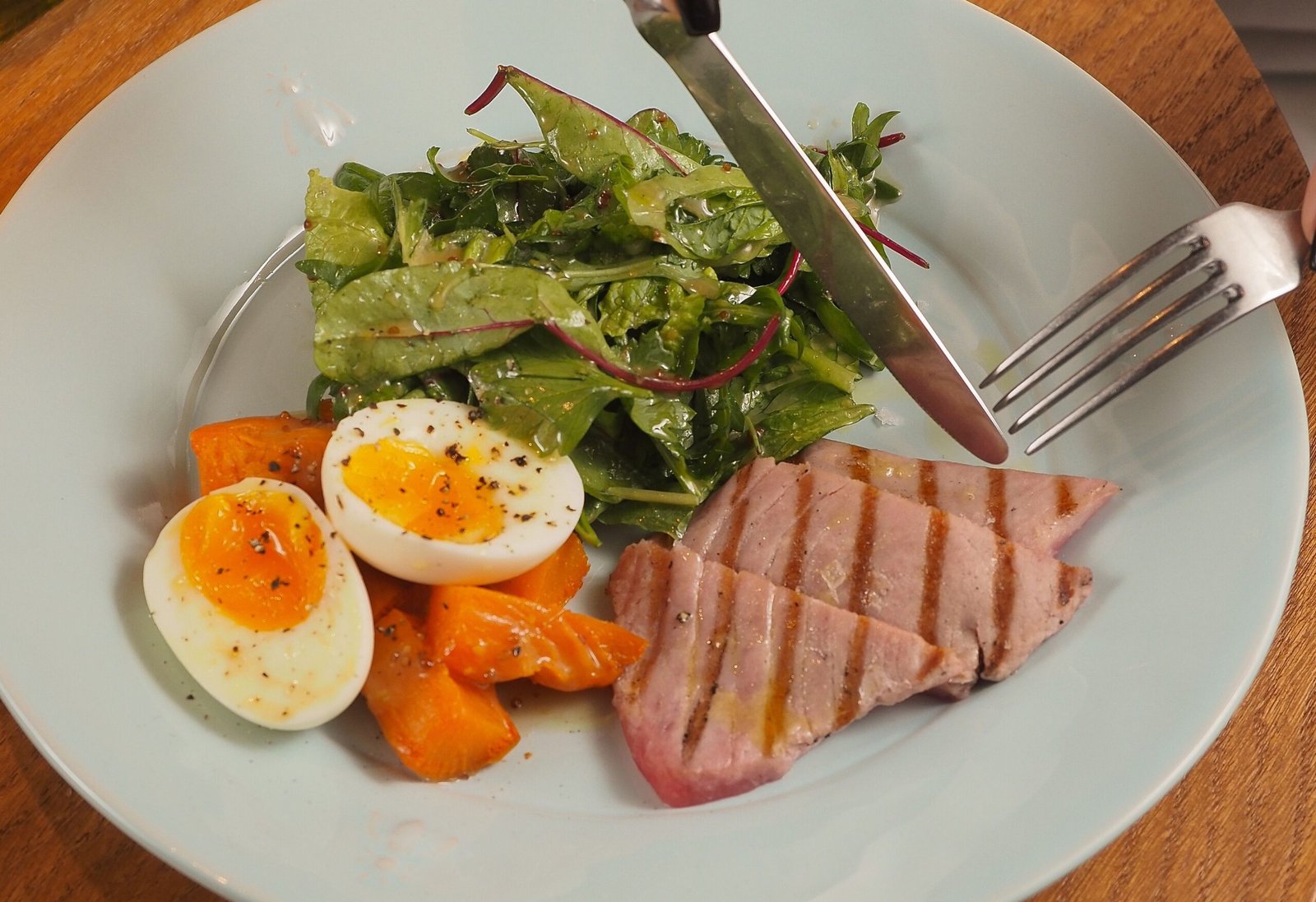
Quick List: High-Protein Pakistani Foods
| Food | Protein Source | Common Ways to Eat It |
|---|---|---|
| Chicken | Animal protein | Karahi, tikka, grilled chicken |
| Eggs | Complete protein | Boiled, omelet, anda bhurji |
| Daal | Plant protein | Daal, daal chawal |
| Chana | Plant protein | Chana chaat, curry |
| Lobia | Plant protein | Lobia curry, salad |
| Milk | Dairy protein | Milk, shakes |
| Yogurt (Dahi) | Dairy protein | Raita, plain yogurt |
| Paneer | Dairy protein | Paneer dishes, grilled paneer |
| Fish | Animal protein | Curry, grilled or baked |
| Beef | Animal protein | Keema, curry, kebab |
| Mutton | Animal protein | Karahi, curry |
| Peanuts | Plant protein | Roasted, snacks |
| Soybeans | Plant protein | Cooked dishes |
| Besan | Plant protein | Chilla, traditional dishes |
| Seeds | Plant protein | Snacks, yogurt, salads |
1. Eggs
Eggs are one of the simplest protein foods available in Pakistan.
A large egg provides roughly 6 grams of protein, although the exact
amount depends on its size.
Eggs also provide fats, vitamins, and minerals and are inexpensive,
widely available, and easy to prepare.
Easy Pakistani options
- Boiled eggs
- Omelet
- Anda bhurji
- Egg curry
- Eggs with roti
Explore:
Egg nutrition facts on Foodmanac
2. Chicken
Chicken is one of the easiest ways to increase protein intake without
completely changing the way you eat.
Chicken can be prepared as:
- Chicken tikka
- Grilled chicken
- Chicken curry
- Chicken karahi
- Chicken kebab
- Chicken pulao
The nutritional profile changes considerably depending on the cut and
preparation method. A grilled lean portion and a heavily oily curry
shouldn’t be treated as nutritionally identical.
When comparing foods, look at protein, calories, and serving
size together, rather than protein alone.
3. Daal
Daal is one of the most important plant-based protein foods in Pakistani
cuisine.
Common varieties include:
- Masoor daal
- Moong daal
- Chana daal
- Mash daal
Lentils also provide fiber and other nutrients, making them a useful
part of a balanced diet.
A simple meal such as daal + roti or rice + vegetables
can provide protein together with carbohydrates, fiber, and
micronutrients.
4. Chana (Chickpeas)
Chana is another excellent addition to a Pakistani diet.
You can eat chickpeas as:
- Chana chaat
- Chana curry
- Boiled chana
- Roasted chana
- Hummus
- Chickpea salad
Chickpeas provide both protein and fiber, making them particularly
useful for people who want plant-based foods that are filling.
5. Lobia
Lobia, or black-eyed peas, is often overlooked when people talk about
protein.
It can be prepared as:
- Lobia curry
- Lobia salad
- Lobia with rice
It is an inexpensive way to add plant protein and fiber to a traditional
diet.
6. Yogurt (Dahi)
Plain yogurt is another familiar Pakistani food that can contribute
protein to your diet.
Try it:
- With lunch
- As raita
- With fruit
- As a snack
- With meals containing spicy foods
The exact nutrition depends on the type of yogurt and serving size,
so check the individual food record rather than assuming every yogurt
contains the same amount.
7. Milk
Milk provides protein as well as calcium and other nutrients.
A glass of milk can be an easy addition to breakfast or a snack.
You can also combine milk with:
- Oats
- Banana
- Dates
- Nuts
- Other foods
Remember that adding ingredients changes the total calories and
nutritional profile of the drink.
8. Paneer
Paneer is particularly useful for people looking for a vegetarian
protein source.
It can be used in:
- Palak paneer
- Paneer tikka
- Paneer curry
- Grilled paneer
- Paneer salads
Because paneer can also contain substantial fat and calories,
compare the whole nutritional profile, not just protein.
9. Fish
Pakistan has access to many types of fish, making fish another useful
protein source.
Depending on the species and preparation, fish can provide protein
along with other nutrients.
Some preparation methods include:
- Grilling
- Baking
- Steaming
- Light pan cooking
Deep-frying can substantially increase the calorie content of the meal.
10. Beef
Beef is another traditional source of protein in Pakistani cuisine.
Common preparations include:
- Beef curry
- Keema
- Beef kebab
- Grilled beef
- Beef steak
The nutritional value varies substantially according to the cut and
amount of visible fat.
11. Mutton
Mutton is popular across Pakistan and can provide protein along with
nutrients such as iron and vitamin B12.
However, some mutton dishes can contain substantial amounts of added
oil or ghee.
The food itself isn’t the whole story—the recipe and preparation method
also matter.
12. Peanuts
Peanuts are an affordable plant food containing protein and fats.
They can be eaten:
- Roasted
- As peanut butter
- In snacks
- With fruit
- Added to certain dishes
Peanuts are relatively calorie-dense, so a large serving can add
considerable calories even when you’re using them as a protein source.
13. Soybeans
Soybeans aren’t traditionally as dominant in Pakistani cuisine as
daal or chana, but they’re an excellent plant-based protein option.
Soy foods can be particularly useful for people who eat little or
no meat.
14. Besan
Besan, or chickpea flour, comes from chickpeas and is commonly used
in Pakistani cooking.
It can be used for:
- Besan chilla
- Traditional dishes
- Besan roti
- Other recipes
A besan chilla with yogurt can be a practical protein-containing
breakfast.
15. Seeds
Seeds such as pumpkin seeds, sunflower seeds, and sesame seeds can
contribute protein, minerals, and healthy fats.
They’re easy to add to:
- Yogurt
- Oatmeal
- Salads
- Smoothies
- Homemade snacks
Many seeds are calorie-dense, so portion size matters.
What Is the Best Pakistani Protein Food?
There isn’t one answer. The best choice depends on your dietary
preferences, budget, nutritional needs, and overall diet.
If You Want an Affordable Option
Consider daal, chana, lobia, and eggs.
If You Eat Meat
Consider chicken, eggs, and fish as practical
protein sources.
If You Are Vegetarian
Consider daal, chana, beans, yogurt, paneer, and soy.
If You Want More Protein Without Too Many Calories
Lean protein sources such as chicken, fish, eggs, and lower-fat
dairy can make it easier to increase protein while controlling
calorie intake. Your overall diet and portion sizes still matter.
Don’t Judge a Food by Protein Alone
One of the biggest mistakes people make is judging a food only by
its protein content.
If Food A contains more protein than Food B, that doesn’t automatically
make Food A the better food.
When comparing foods, also consider:
- Calories
- Fiber
- Fat
- Carbohydrates
- Vitamins
- Minerals
- Serving size
- Preparation method
This is why Foodmanac lets you explore nutrition beyond a single number.
How to Find the Highest-Protein Foods
Instead of searching through separate articles, you can use a nutrition
database to explore foods and compare their nutritional profiles.
On Foodmanac, you can explore foods and nutrition information, including
protein and other nutrients.
Frequently Asked Questions
What Pakistani foods are high in protein?
Eggs, chicken, fish, beef, mutton, daal, chana, lobia, yogurt,
paneer, peanuts, besan, soybeans, and seeds can all contribute
protein to a Pakistani diet.
What is the cheapest high-protein food in Pakistan?
Affordable options can include daal, chickpeas, lobia, eggs,
roasted chana, and peanuts. Prices vary by location and season,
so compare current local prices when planning meals.
Which Pakistani foods are high in protein for vegetarians?
Daal, chana, lobia, beans, yogurt, paneer, besan, soybeans, peanuts,
and seeds are useful vegetarian protein sources.
Is daal a good source of protein?
Yes. Daal provides plant-based protein along with fiber and other
nutrients and is a common part of Pakistani cuisine.
Is chicken better than daal for protein?
Chicken generally provides more protein per typical serving, but
daal also provides protein, fiber, and other nutrients. The better
choice depends on your overall diet, preferences, and nutritional
goals.
Final Takeaway
You don’t need to completely abandon Pakistani food to eat more protein.
Foods already common in Pakistani households—including eggs, chicken,
daal, chana, lobia, yogurt, milk, fish, beef, and paneer—can all
contribute to a protein-rich diet.
The important thing is to look at the whole nutritional profile,
serving size, and preparation method rather than chasing a single
“high-protein” number.
And that’s what we’re building with Foodmanac:
Not just a list of foods—but a better way to understand
the food you actually eat.